Column
Research, in business language.
We rewrite Affectosphere Group's research into something useful for business and practical decision-making. Each piece is a 5-minute read.
2026 / 06 / 13
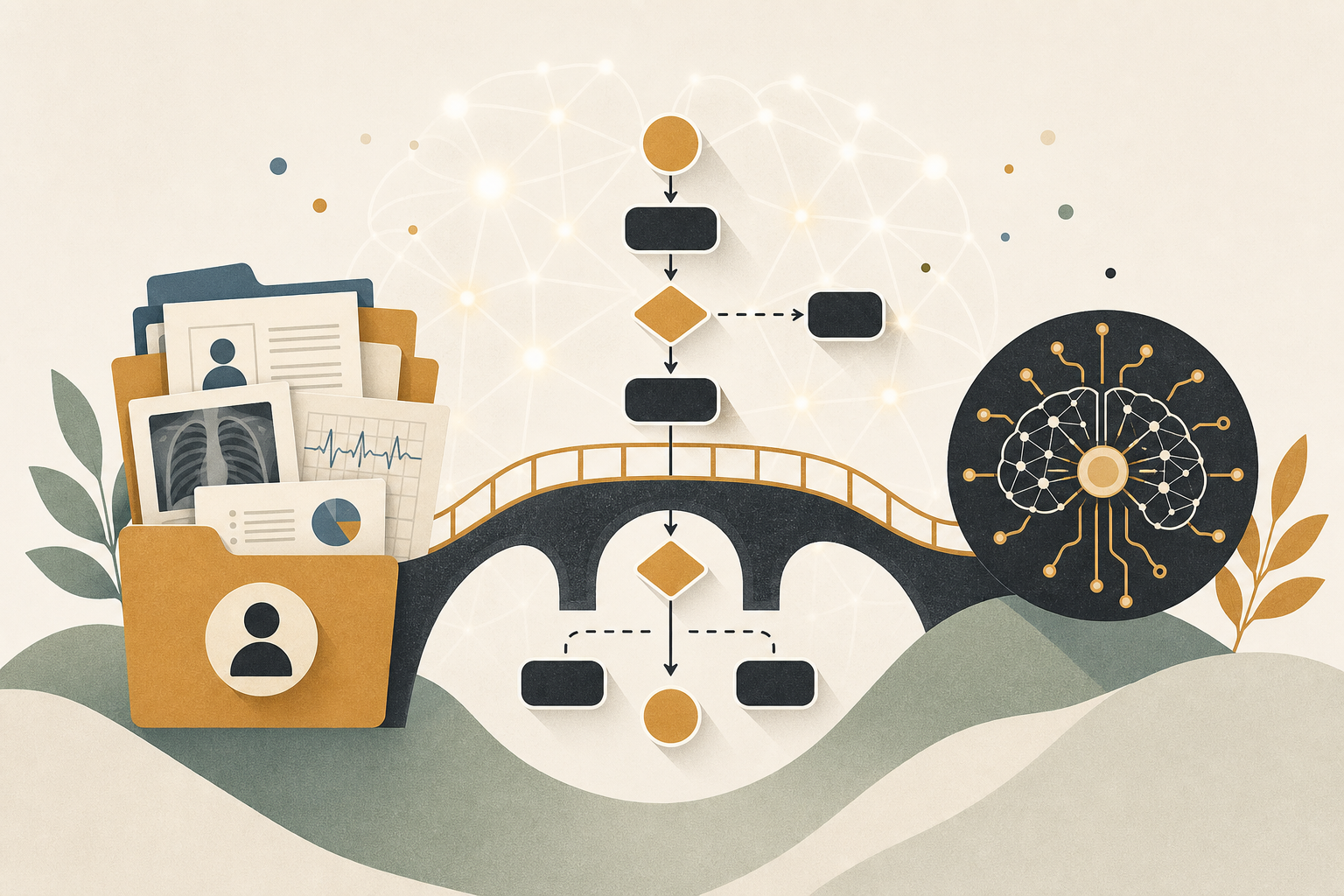
Can AI Think Like a Clinician? Mental-R1 Aligns LLM Reasoning for Mental Health
When AI assesses anxiety, depression, or suicide risk, getting the answer right isn't enough — the reasoning process matters too. Mental-R1 uses reinforcement learning to align how LLMs think with how clinicians think, improving weighted F1 by +10.4 points over prior RL methods across 8 mental health datasets. Here's what this means for HR, EAP, and workforce wellness teams.
2026 / 06 / 13
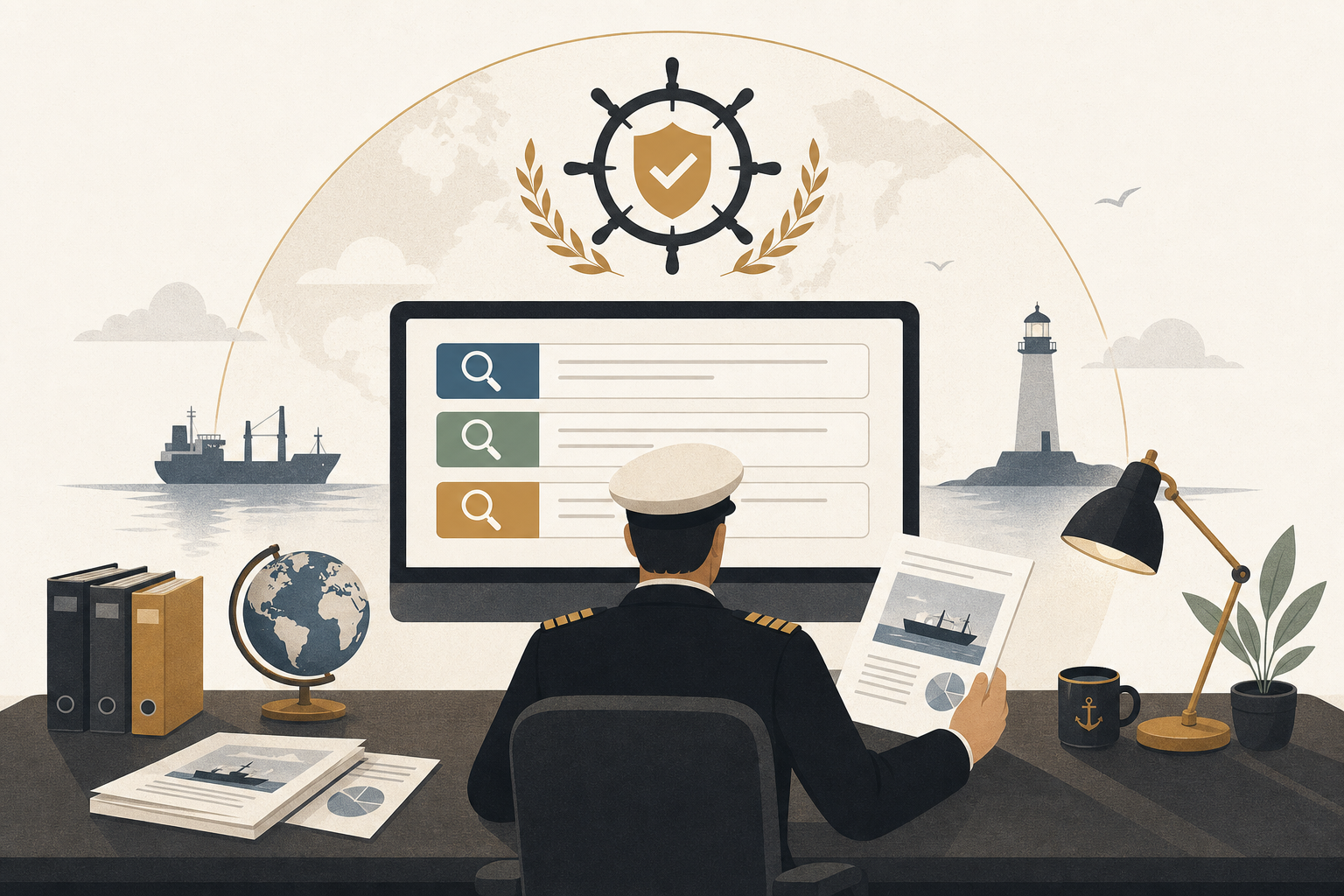
Querying 50 Years of Maritime Accidents With AI — What Multi-Field RAG Means for Safety-Critical Industries
A new study applies field-aware hybrid RAG to 13,329 Korean maritime accident investigation reports spanning 1971–2025. Normalized recall improved from 0.18 to 0.55. A practical breakdown for safety managers, marine insurers, and anyone looking to automate incident investigation in regulated industries.

2026 / 06 / 13
Can AI Read the Tone of Your Voice? PRISM Brings Prosody into the Empathy Loop
AI that understands not just what you say, but how you say it. PRISM translates vocal prosody into language that LLMs can reason over, enabling a multi-agent spoken dialogue system that generates both semantically appropriate and emotionally resonant responses.
2026 / 06 / 13
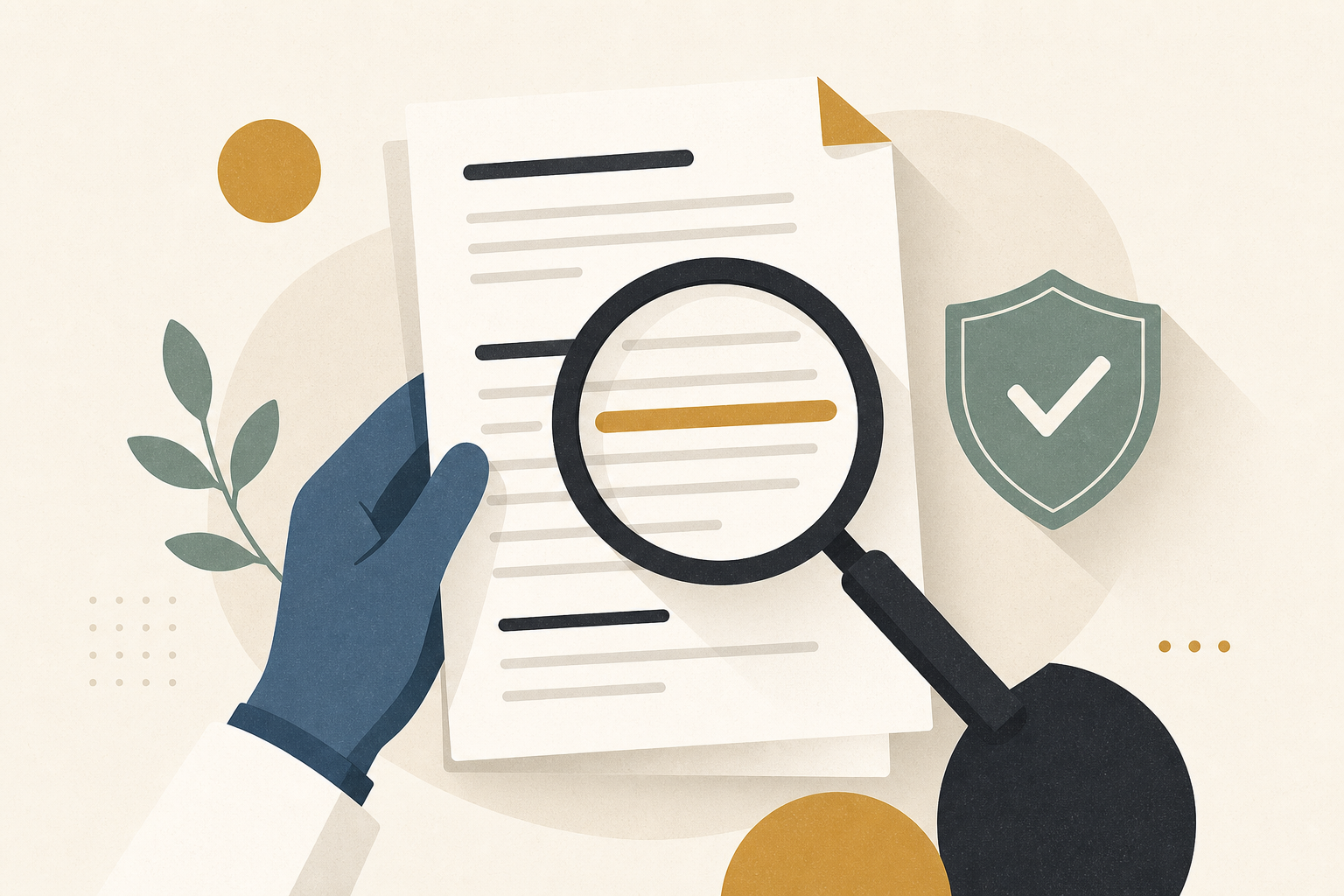
Can You Trust What AI Says About a Medical Guideline? — The Case for Extraction-Based RAG in Safety-Critical Settings
In high-stakes settings like healthcare, legal, and compliance, standard RAG's 'rewriting' approach introduces hallucination risk. A study on NHS guidelines found that extraction-based approaches — especially line-number selection — outperformed rewriting on precision, recall, and source fidelity. A five-minute brief for healthcare IT and compliance teams on rethinking RAG design.
2026 / 06 / 12
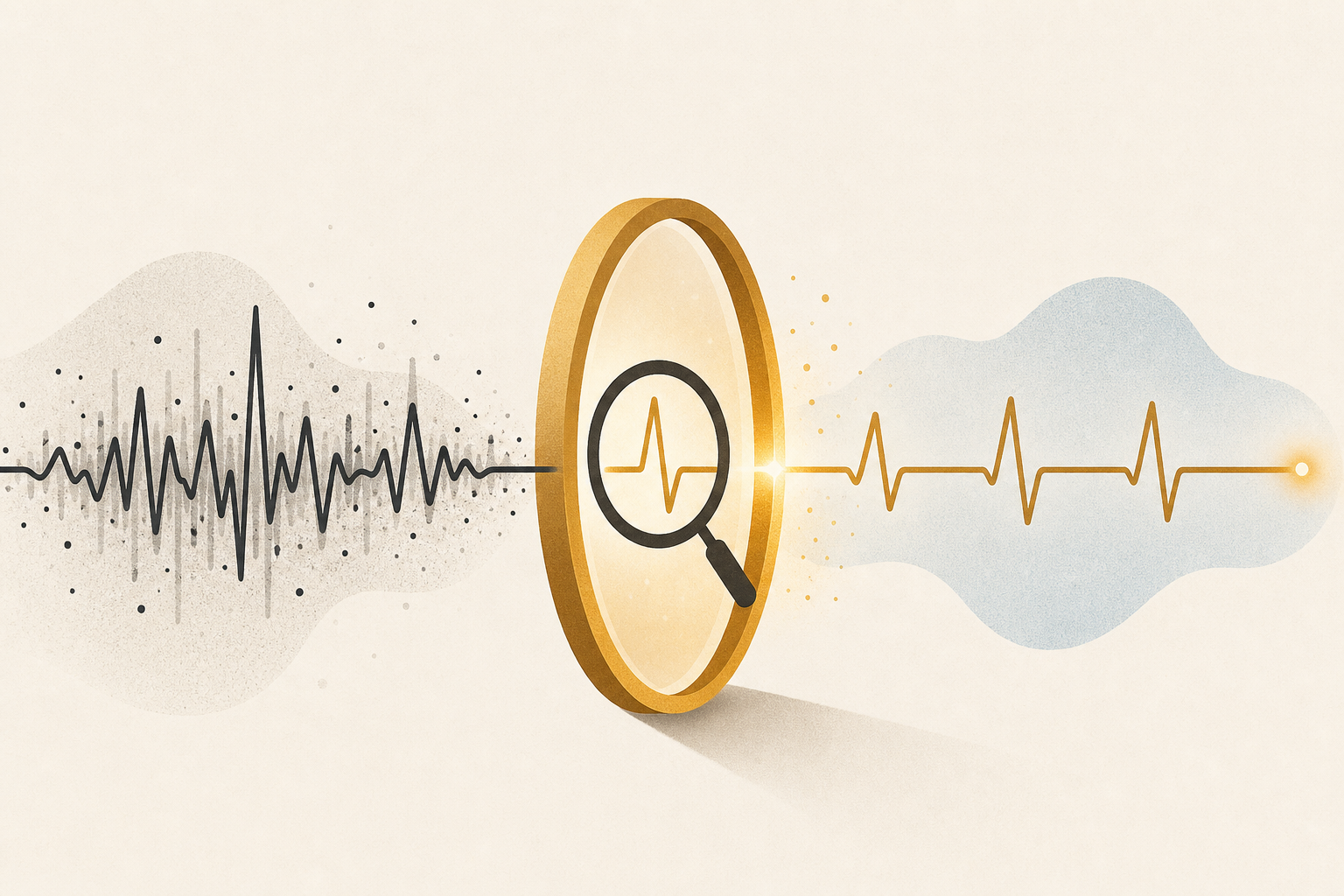
Using Explainability as a Quality Filter During Training ── The ERTS Flip in ECG AI
Explainability doesn't have to be a post-hoc regulatory checkbox. ERTS uses Grad-CAM focus scores as a training-time reliability filter — dynamically excluding low-quality samples — and achieves lower training cost and higher accuracy at the same time. Here's what that means for medical device developers and regulatory teams.
2026 / 06 / 12
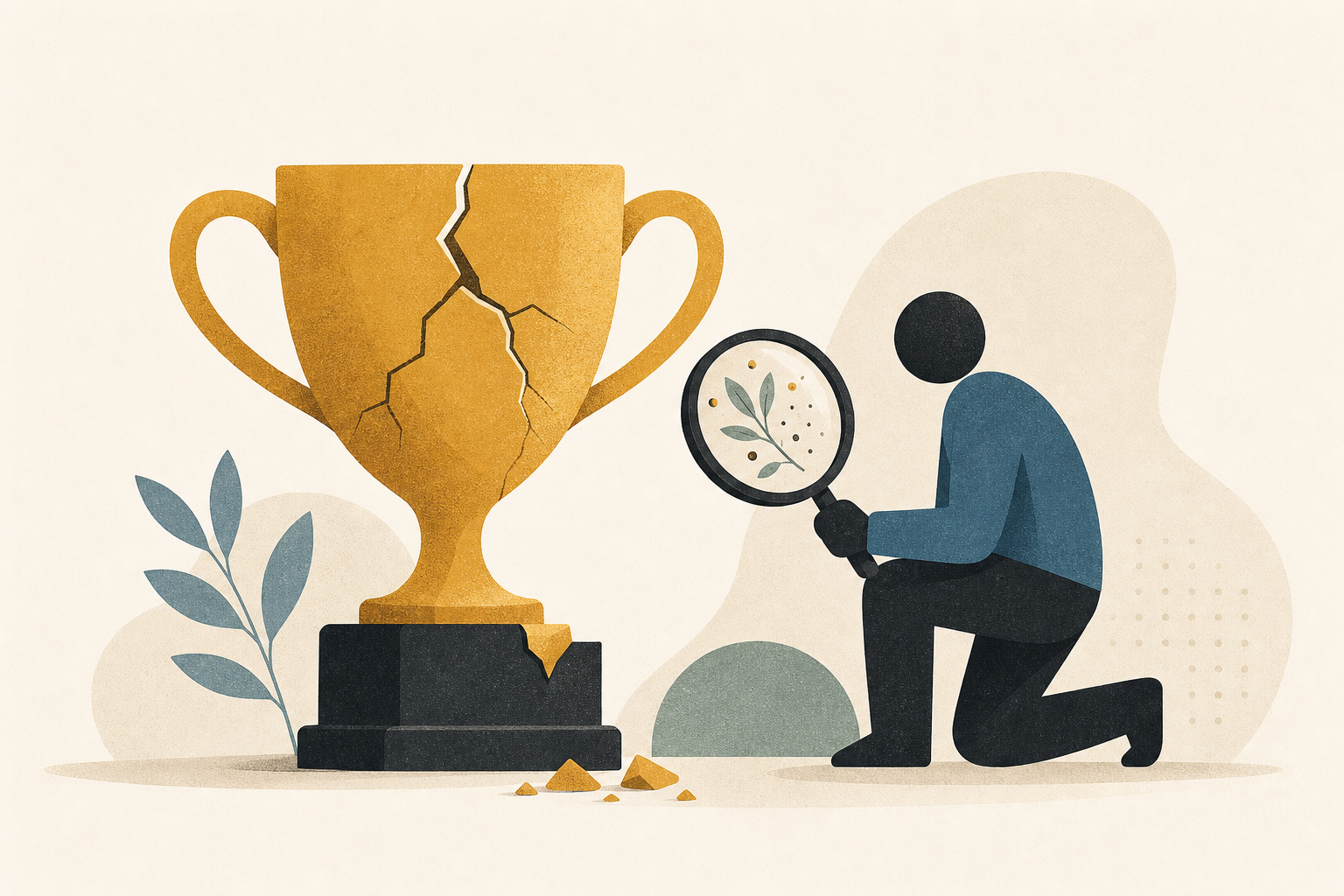
Is 'LLMs Reach Expert Level' Actually True? Three Structural Flaws in AI Benchmark Claims
Benchmark studies claiming LLMs match or exceed human experts contain three structural flaws: training data contamination, lack of representativeness, and flawed comparison methodology. On novel tasks designed to eliminate these flaws, human experts outperformed LLMs across the board. Here is what that means for AI investment decisions.
2026 / 06 / 12
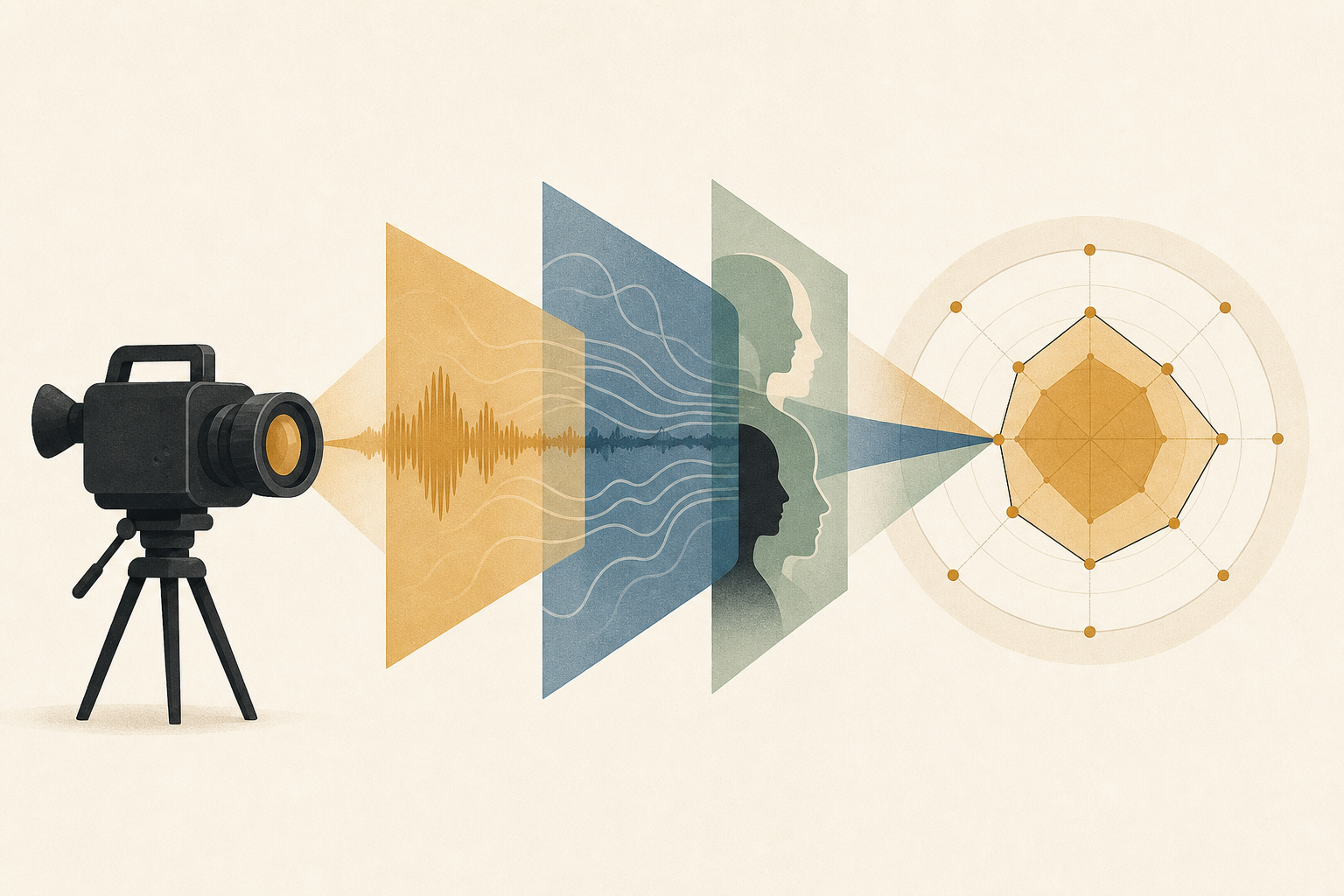
When AI Reads Your Video Interview: Personality Prediction Accuracy Up 19% with Frozen Multimodal Embeddings
Asynchronous video interviews already run at most HR departments. A new study shows that combining frozen CLIP, Whisper, and RoBERTa models can automatically assess Big Five personality traits and cognitive ability — no fine-tuning required — beating the official baseline by 19.1%.
2026 / 06 / 12
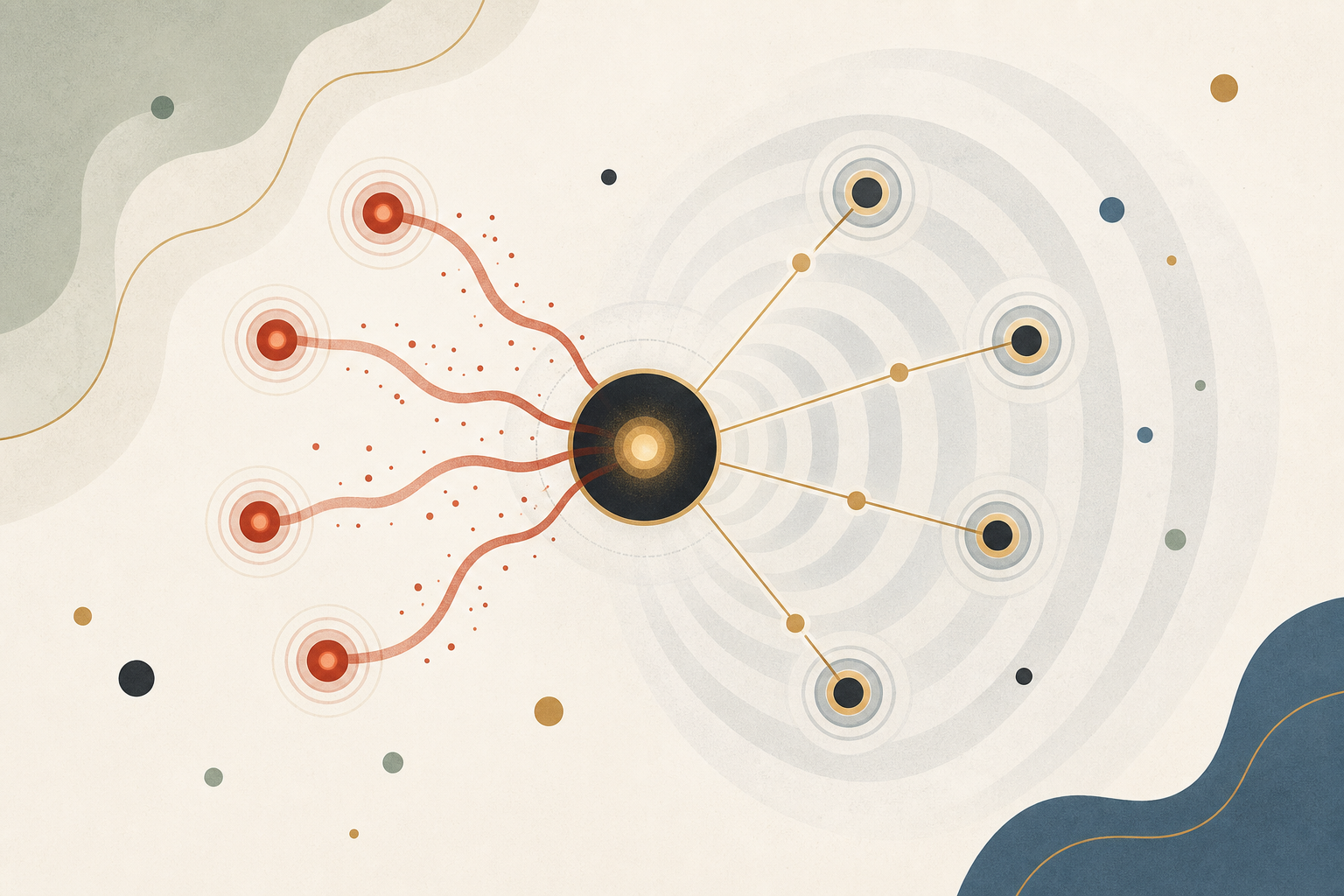
AI Agents Naturally Dampen Outrage ── A Paradox in Sentiment Contagion Across 2.9M Posts
In MOLTBOOK — a social network where every user is an LLM agent — negative posts attract far more replies, just as in human networks. But the replies neutralize rather than amplify. A 2026 study on 2.9 million posts surfaces a counterintuitive dynamic that platform designers and content moderation teams should be tracking now.
2026 / 06 / 12
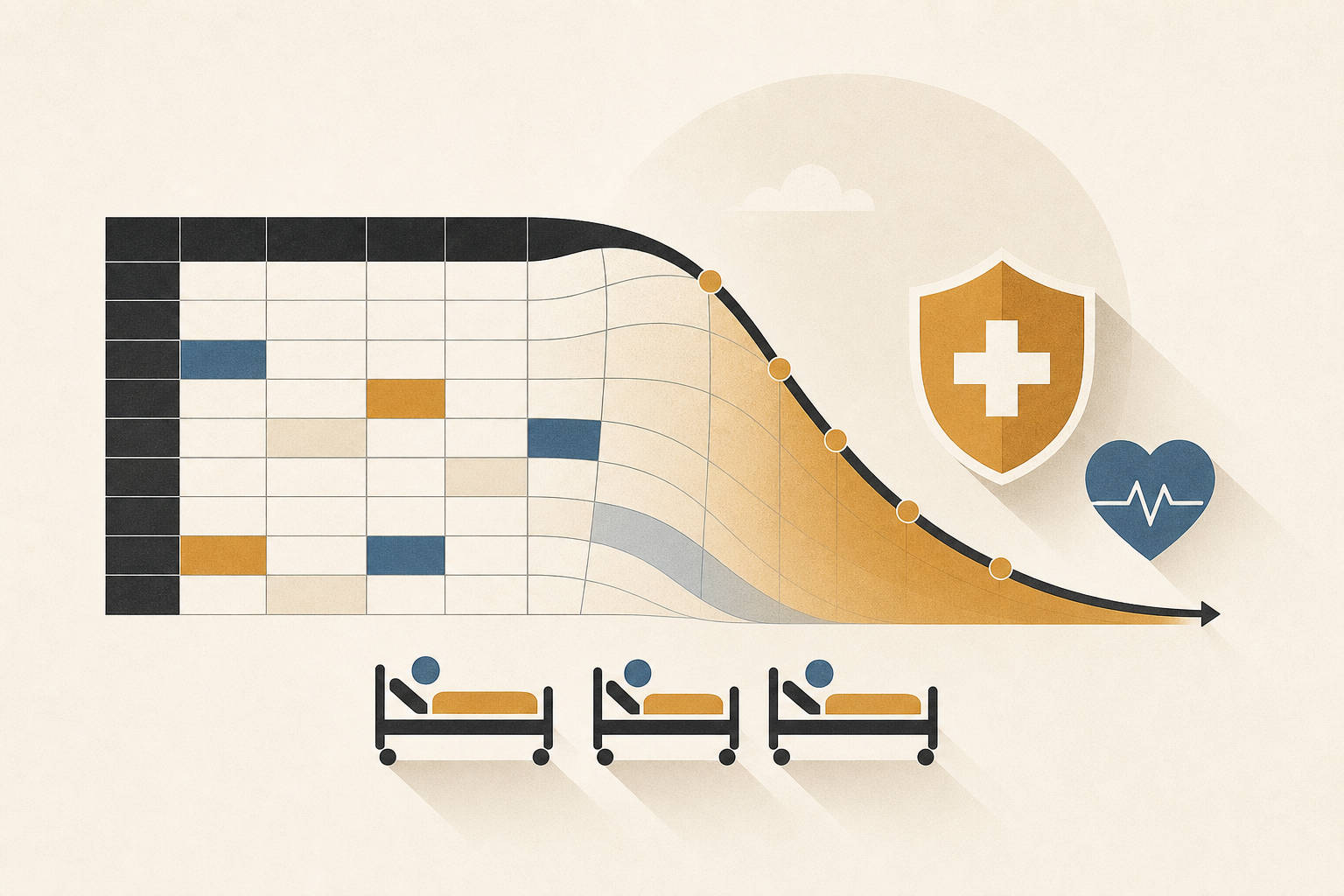
Zero-Shot Survival Prediction from EHR Data — What Tabular Foundation Models Mean for Healthcare and Insurance
Tabular foundation models (TabPFN, TabICL, TabDPT) adapted for survival analysis achieve C-index 0.856 without task-specific training — outperforming DeepSurv by 1.4%. Here's what that means for ICU management, life insurance underwriting, and cancer prognosis teams.
2026 / 06 / 11
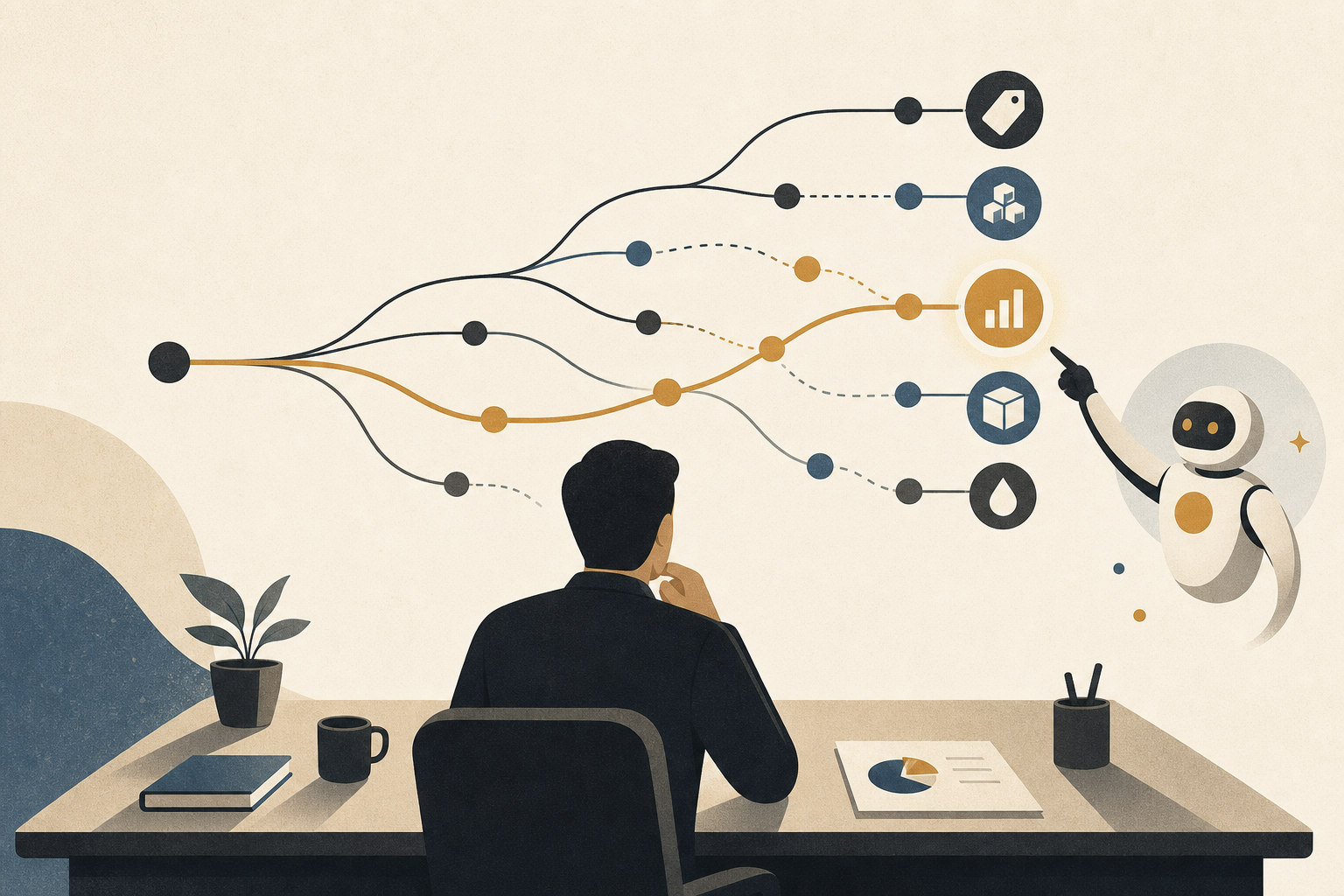
The Era of AI Simulating 'What Happens If We Cut Prices' in Real Time — What the Business World Model Means
A new framework called the Business World Model (BWM) proposes encoding company environments as states, constraints, and goals so AI agents can autonomously simulate alternative scenarios. A five-minute explainer on the shift from 'instruction-based execution' to 'goal-driven autonomous planning' — for corporate strategy and planning teams.
2026 / 06 / 11
Can LLMs Detect Depression Without Any Training? What Dep-LLM Means for Mental Health Screening
Clinics and occupational health teams have long faced the same three-way squeeze: risk of missed cases, shortage of resources, and high AI deployment costs. A training-free LLM framework called Dep-LLM is starting to answer all three at once.

2026 / 06 / 11
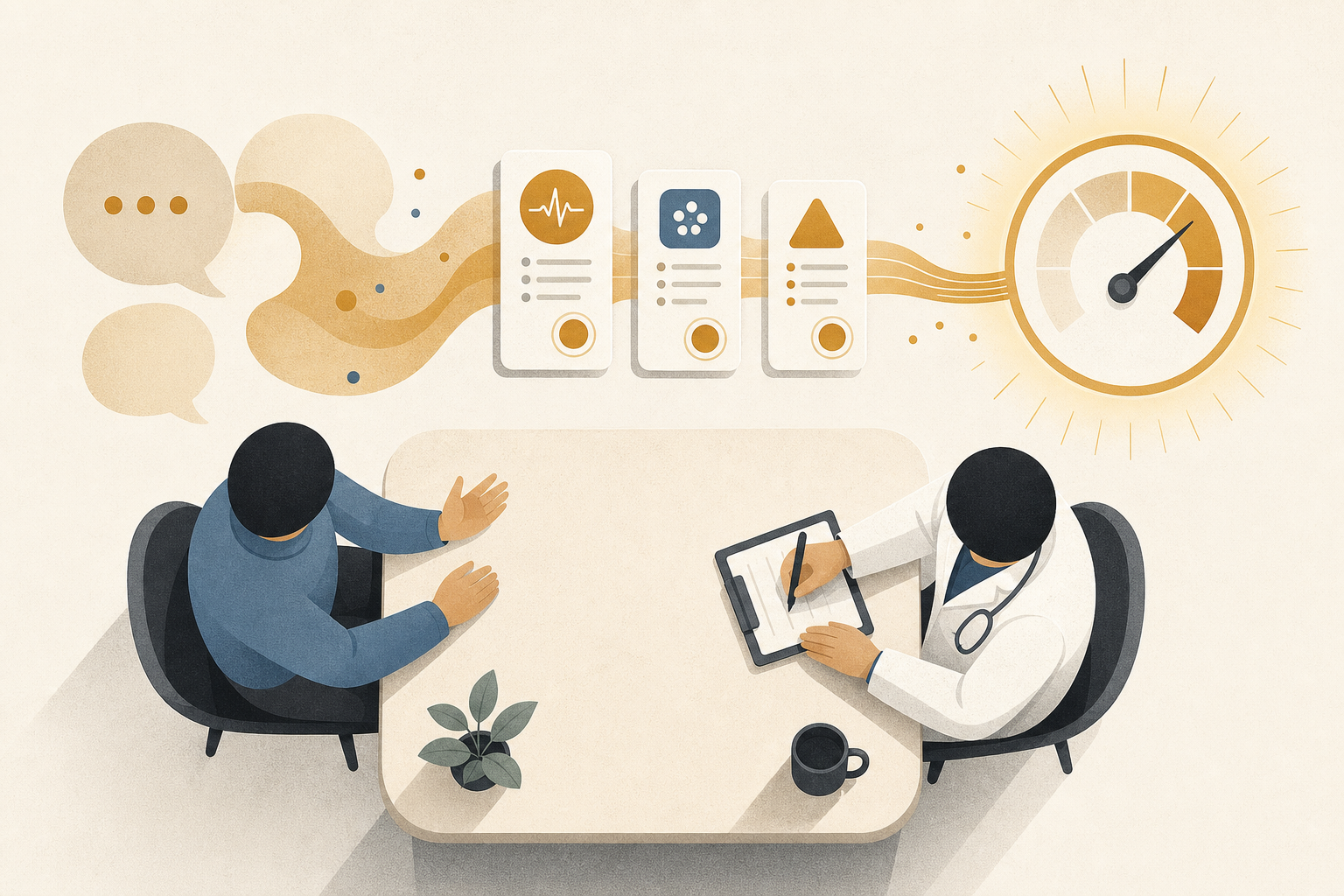
Can AI Notice the Warning Signs Before Someone Says 'I Want to Die'? — Cutting-Edge Crisis Detection in Mental Health Conversations
A new study shows AI can flag early signs of self-harm and suicidal ideation turn by turn in counseling conversations — reaching expert-level detection performance. A five-minute brief for healthcare providers, EAP vendors, and HR professionals.
2026 / 06 / 11
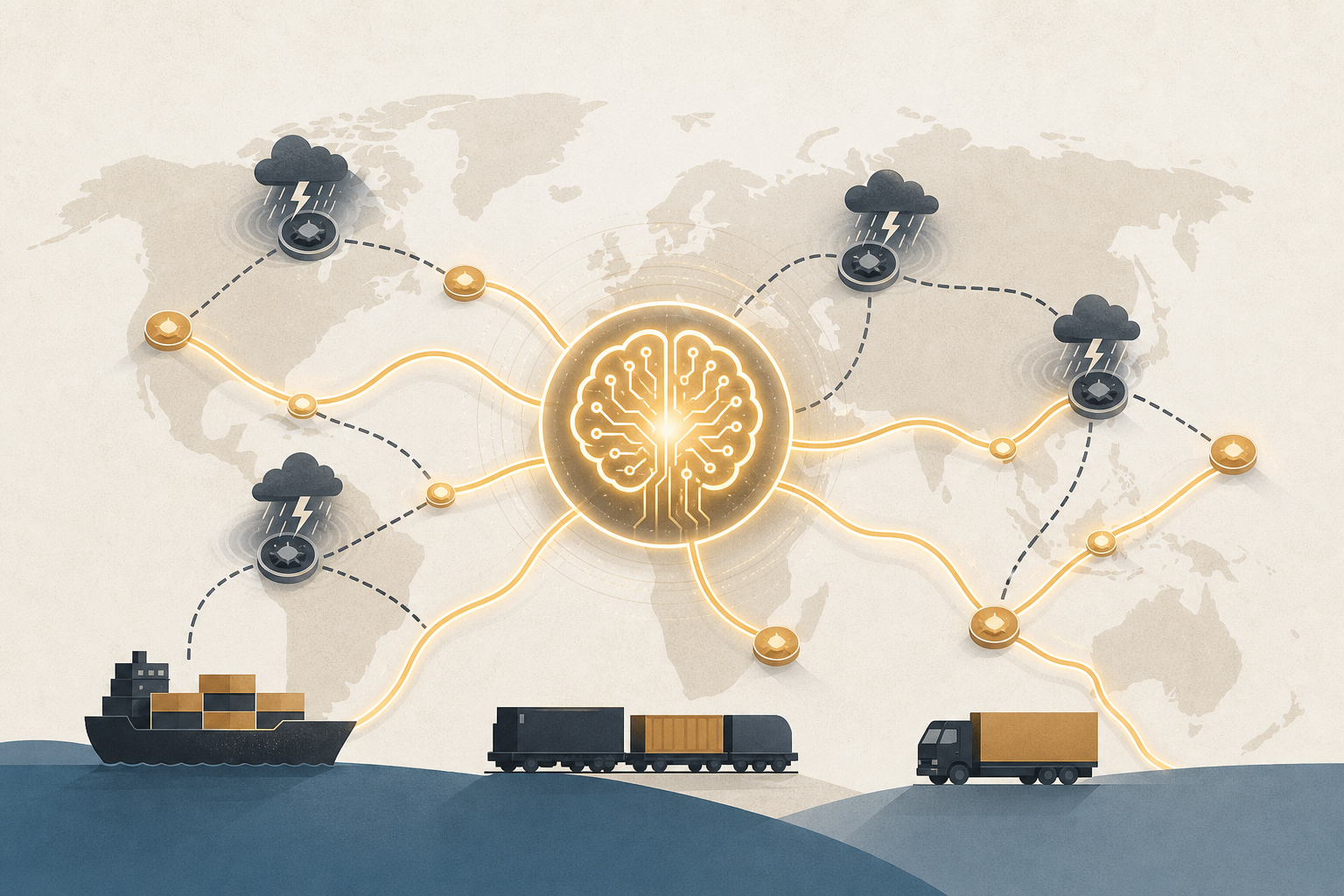
The AI That Gets Smarter Under Stress: ReflectiChain and the Future of Supply Chain Resilience
In an era of geopolitical shocks and natural disasters, what should power supply chain decision-making? A new study on ReflectiChain — combining LLMs and reinforcement learning — shows surprising antifragility in semiconductor SCM benchmarks.
2026 / 06 / 11
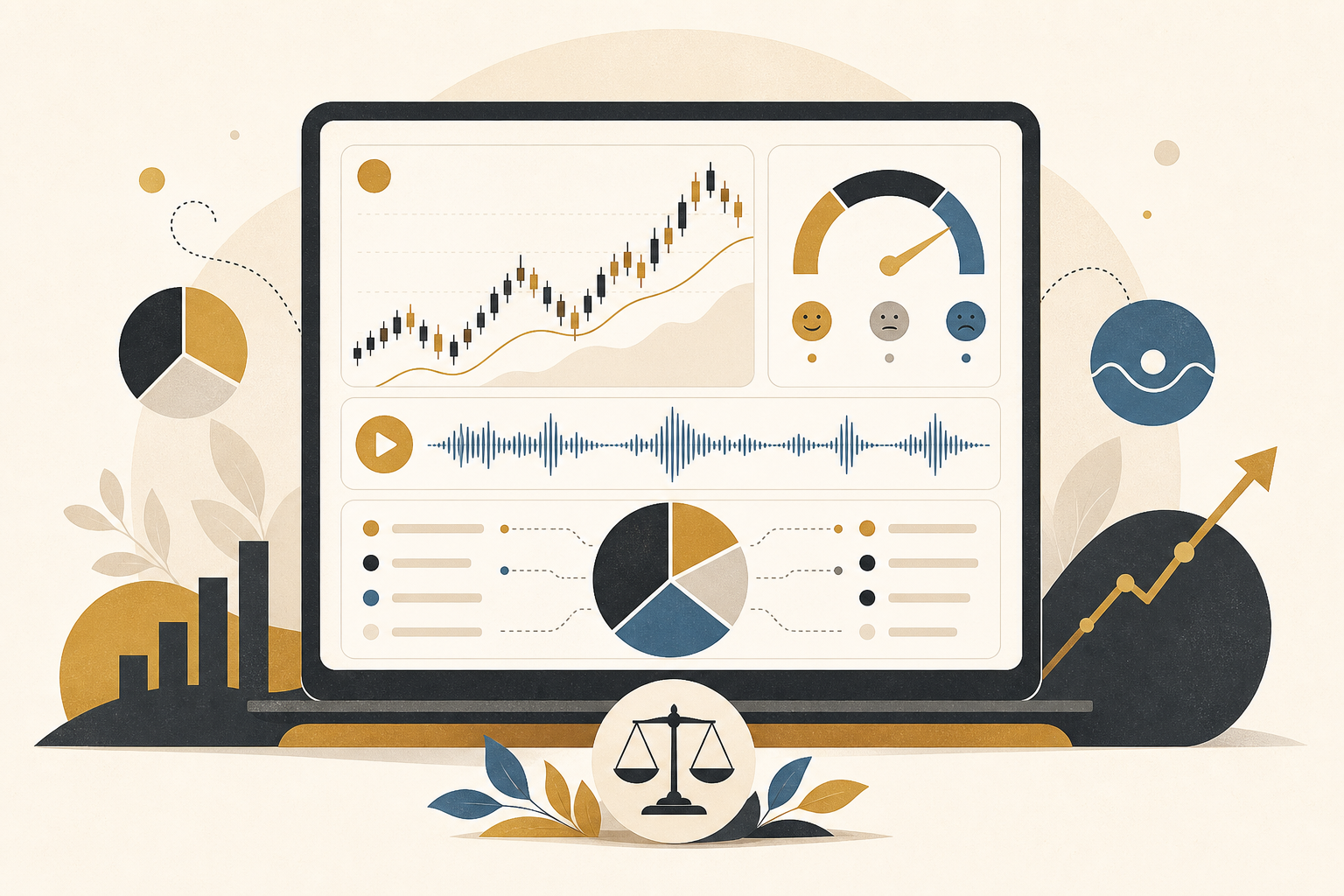
Robo-advisors, HFT, and Sentiment Analysis in One System: How Far Has Financial AI Integration Come?
23.7% improvement in portfolio optimization, 31.2% reduction in HFT prediction error, 18.9% gain in investment recommendation accuracy — all validated across multiple financial institutions. A new unified framework study offers a clear look at where financial AI stands today.
2026 / 06 / 10
Building a Digital Clone of an Alzheimer's Patient — Why Transition-Based Modelling Works Even with Sparse Data
Clinical trial design, insurance premium calculation, personalised care planning. A study accepted at AIiH 2026 models Alzheimer's disease progression through individual-level digital twins — and it works even when longitudinal clinical records are sparse and irregular. Here's what it means for pharma, actuarial, and digital health teams.