
Column
Research, in business language.
We rewrite Affectosphere Group's research into something useful for business and practical decision-making. Each piece is a 5-minute read.

2026 / 06 / 07
Reading One Company's News Is Not Enough to Understand That Company's Stock
Sentiment propagates across supply chains and partnerships in ways that vector search cannot capture. Graph-RAG improves entity recall by 6.4% and answer relevance by 11.7% on complex cross-entity queries — with only a 22.6% latency increase. Here is what this means for financial research automation.
2026 / 06 / 07
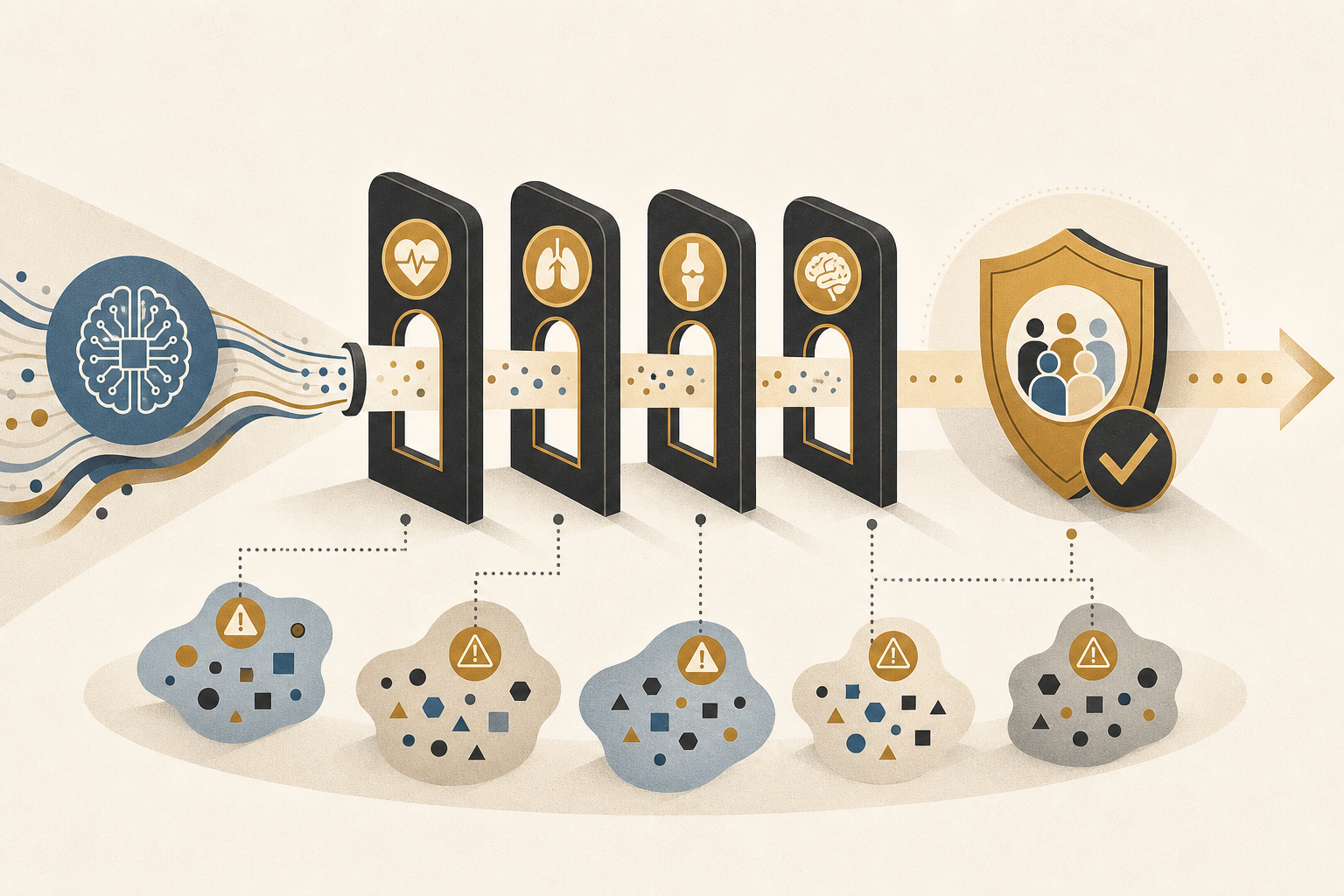
Why 'High Average Score' Is Not a Trustworthy Safety Standard for Medical AI
100 medical professionals evaluated medical LLMs across 9 domains and 690 adversarially designed test cases. High average accuracy masked serious failures in specific scenarios. LLM judges missed safety concerns that human experts caught. And changing patient demographics alone amplified errors by 10–20%. Here is how to rethink medical AI procurement.

2026 / 06 / 07
Financial Fraud Peaks When Alzheimer's Patients Miss Their Medication
Cognitive vulnerability in Alzheimer's patients fluctuates with medication adherence — and financial exploiters may be exploiting exactly those windows. Integrating medication records with transaction patterns pushed recall during non-adherent periods from 0.74 to 0.91. Here is what this means for elder financial protection.

2026 / 06 / 07
Combining EEG and Eye-Tracking: Can Emotion Recognition Finally Work Across Different People?
Subject-to-subject and session-to-session domain shift has long been the biggest barrier to deploying emotion recognition in the real world. UF-AMA clears that bar through confidence-based filtering and multi-stage domain adaptation — with practical implications for call centers and remote hiring.

2026 / 06 / 06
Can You Tell Whether an AI Agent Failed at Planning or Execution?
When an LLM agent fails, most evaluations can't tell you whether planning or execution was the problem. APB is a diagnostic benchmark designed to break that black box open — and it has direct implications for how organizations should select agents before deploying them.
2026 / 06 / 06
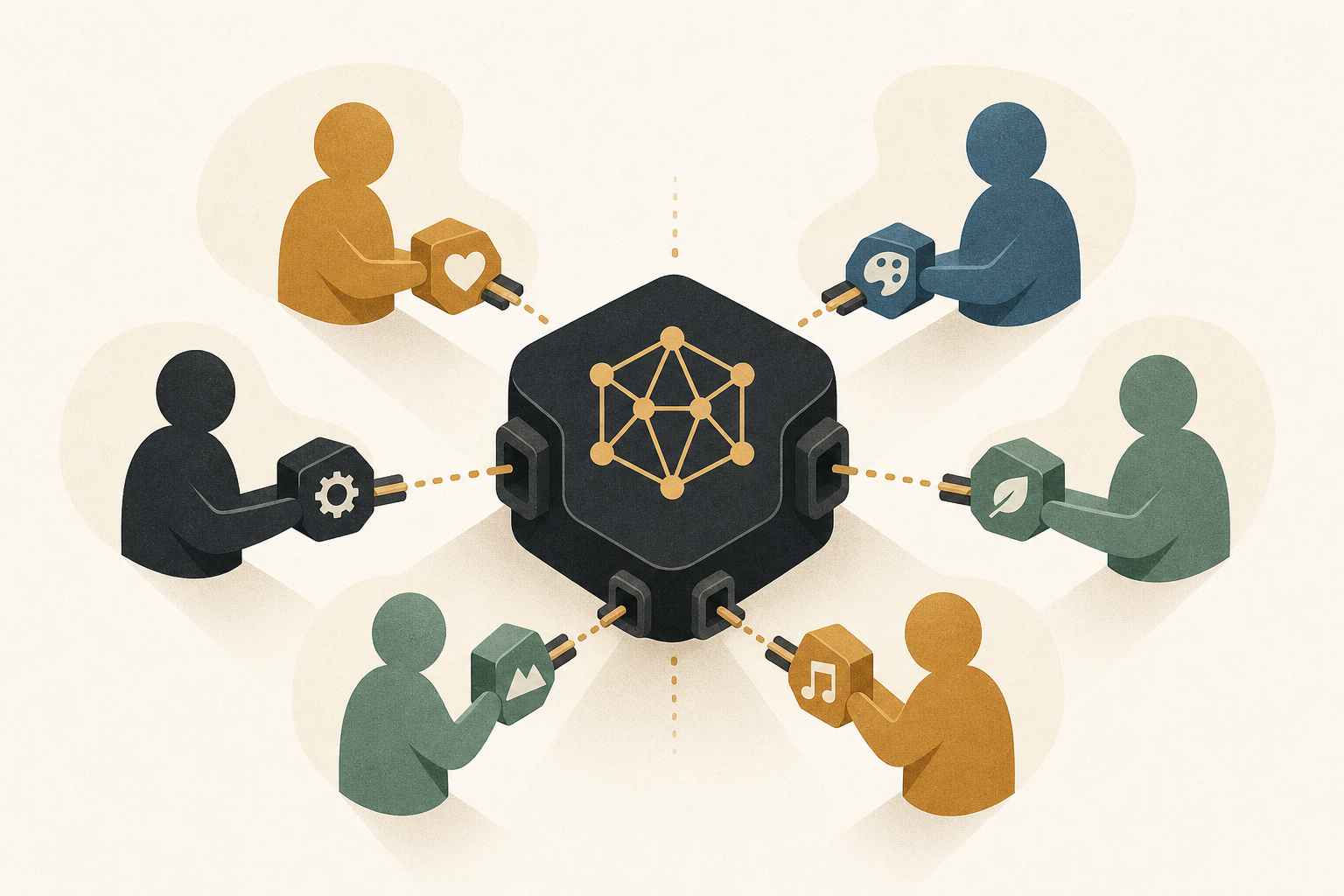
Personalizing LLMs at Scale Without Per-User Models
Two dominant personalization approaches both hit walls at scale: retrieval quality dependency and storage costs that grow with user count. TAP-PER encodes user preferences into compact prefix embeddings, bypassing both.

2026 / 06 / 06
Why AI Agents Need a Layer That Can Stop Them Before They Act
The risk with LLM agents isn't that they propose wrong actions — it's that wrong proposals get executed. The Organizational Control Layer concept offers a practical governance design for anyone deploying AI in operational workflows.
2026 / 06 / 06
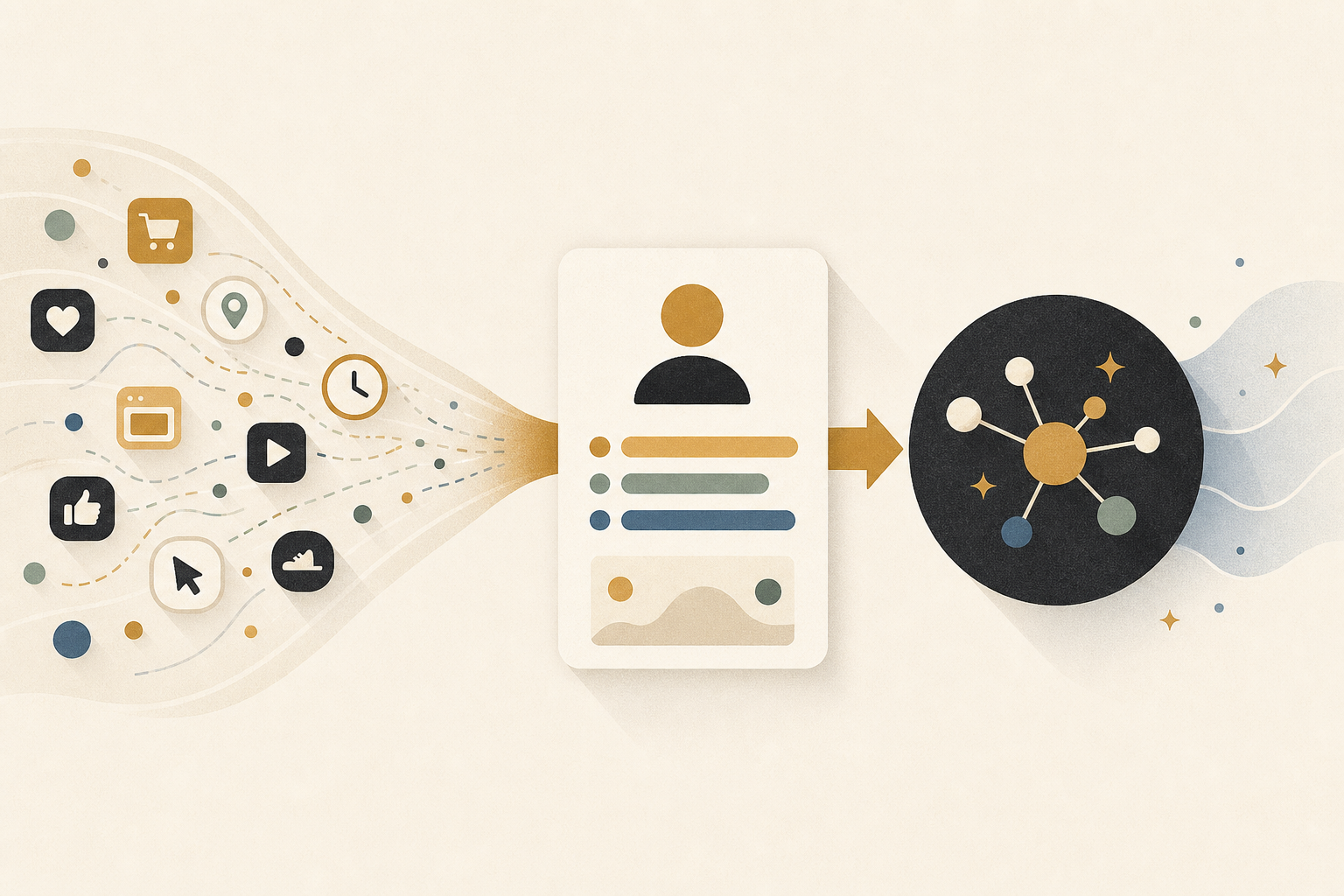
Label-Free User Profiling: What BUMP Means for LLM Personalization
No task labels, no manual annotation. A self-supervised framework that generates natural-language user profiles from behavior logs alone could make LLM personalization accessible at scales where it previously wasn't cost-effective.

2026 / 06 / 06
Should We Suppress or Unleash AI Emotion?
LLMs are deliberately trained to suppress emotional expression. Is that the right call? A new study using self-rewarding reinforcement learning asks whether giving AI the ability to "feel" might actually make it more robust.

2026 / 06 / 05
You Can Develop AI Emotional Dependence Without Even Trying
You don't need a companion app for AI emotional dependence to take hold. A 28-day longitudinal study shows that everyday interactions with general-purpose AI quietly shift how we seek emotional support from other humans.

2026 / 06 / 05
Why a High Benchmark Score Does Not Mean an LLM Is Clinically Useful
The best LLMs score in the 90s on static medical QA benchmarks. In dynamic clinical conversations, the same models achieve 40–60%. MedSP1000 reveals a critical gap — and changes what health AI procurement should actually measure.

2026 / 06 / 05
A 'Trust Certificate' for AI Agents Before They Go Live
Deploying AI agents in regulated industries like finance, healthcare, and law raises a hard question: how do you verify compliance before going live? A new ontology-grounded framework offers a credible answer — and a new basis for AI procurement.

2026 / 06 / 05
Why Debiasing LLMs with Reinforcement Learning Is So Hard — And How BiasGRPO Fixes It
Standard RLHF becomes unstable when applied to social bias mitigation because bias evaluation is subjective and reward signals are noisy. BiasGRPO uses group-relative policy optimization to stabilize the training — and lays the technical groundwork for 'fairness-certified AI' in high-stakes applications.

2026 / 06 / 05
How to Use External LLM APIs Without Sending Your Sensitive Data
For GDPR-constrained organizations, the barrier to using cloud LLMs is not cost — it's the risk of sending confidential data externally. SharedRequest solves this with a batch-mixing approach that achieves 20%+ better utility than differential privacy while cutting query costs by up to 5x.

2026 / 06 / 04
What an Image Makes You Feel Matters More Than What It Shows
The same image can trigger completely different emotional responses depending on cultural background. A new perception-modeling framework that captures both factual and affective dimensions of visual experience could reshape how global creative teams pre-screen their visuals.