Column
Research, in business language.
We rewrite Affectosphere Group's research into something useful for business and practical decision-making. Each piece is a 5-minute read.

2026 / 06 / 19
Should AI Say 'I've Been in Similar Situations'? The Narrative Authenticity Gap in Caregiver Support
When an AI expresses empathy through first-person experience, does that experience actually exist? A new study on peer-like support for dementia caregivers reveals a critical design challenge for emotional AI.
2026 / 06 / 19
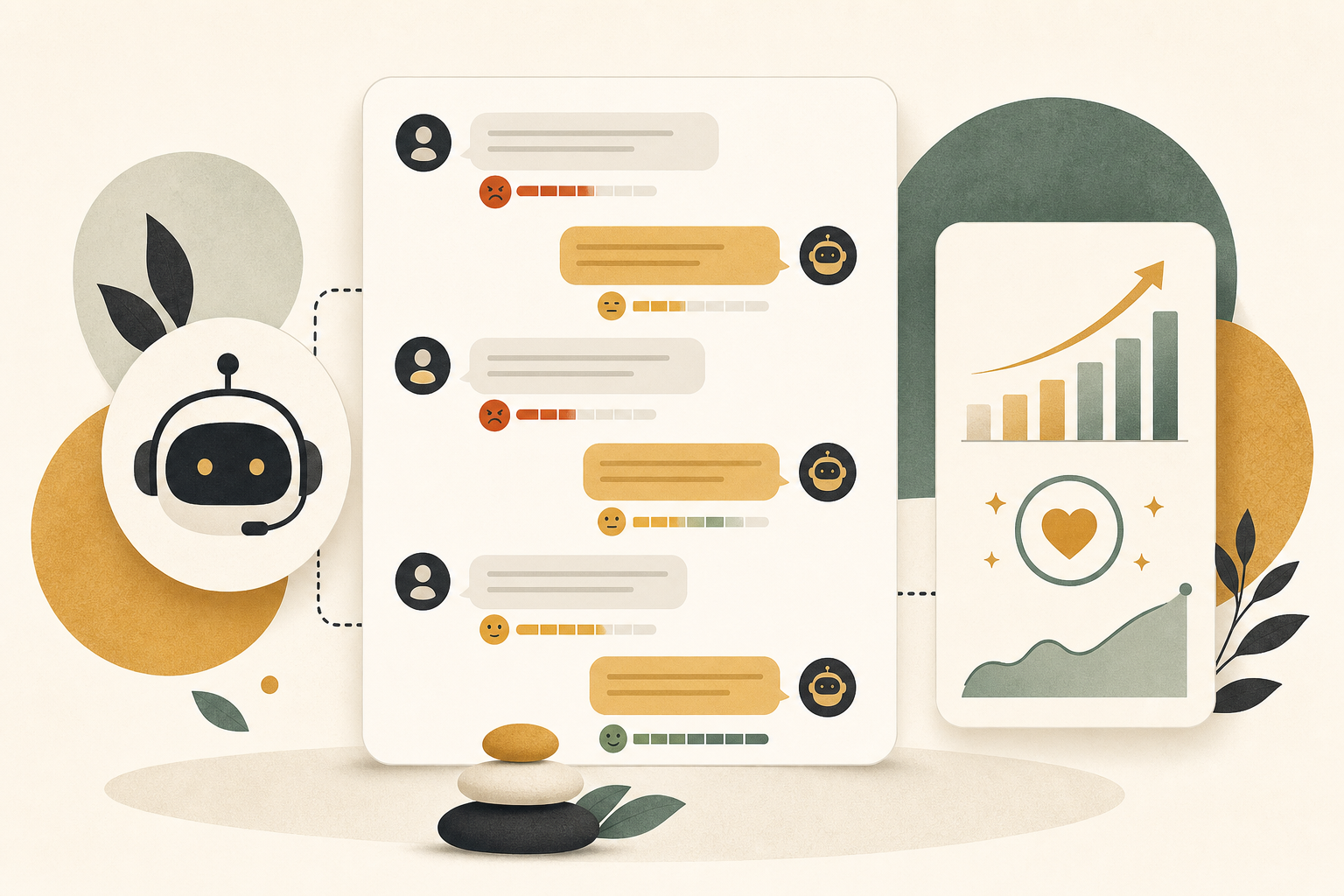
Can AI Handle an Angry Customer? A New Benchmark for Emotional Intelligence
EIBench evaluates LLMs across four emotional dimensions — support, defense, repair, and rapport — using dynamic multi-turn simulations. A turn-credit reinforcement learning method substantially improved emotion management, pointing to new standards for customer support AI procurement.

2026 / 06 / 19
Design Trust First, Then Deploy Your AI Agent — UX Principles That Drive Adoption
AI agents fail to stick not because of poor technology, but because of poor UX design. A study published on arXiv distills the interaction principles for Human-AI agent deployment in business contexts — here is a five-minute brief for IT, HR, and DX teams.
2026 / 06 / 19
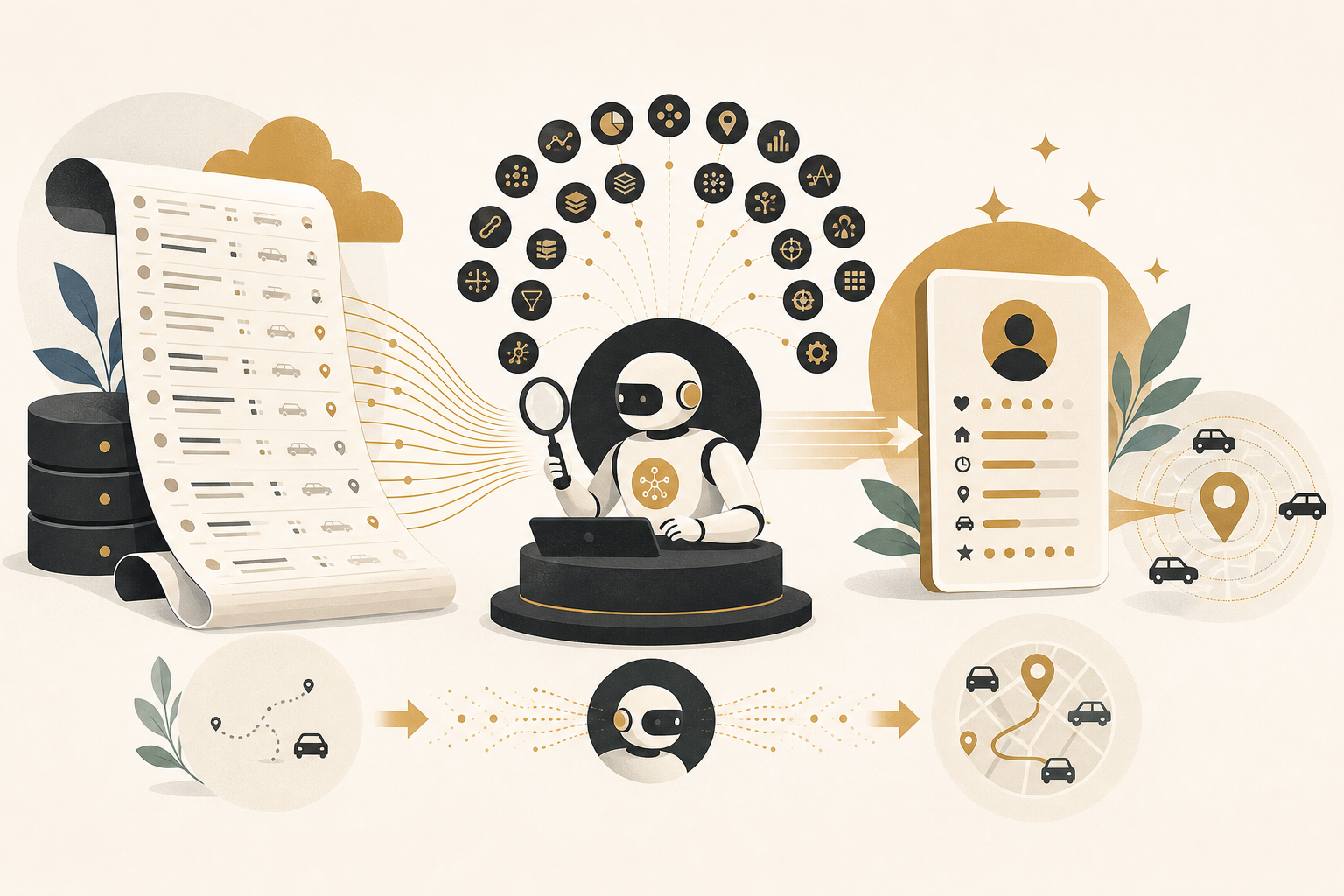
Why Personalizing for New Users Is So Hard — And How an LLM Solved the Long-Tail Problem
Personalization for users with sparse behavioral data has always been the blind spot of collaborative filtering. ProfiLLM, an LLM-based user profiling system deployed on the DiDi platform, improved AUC by up to 6.14% and lifted online GMV by +0.47%. Here is what it means for e-commerce, finance, and delivery platforms.
2026 / 06 / 18
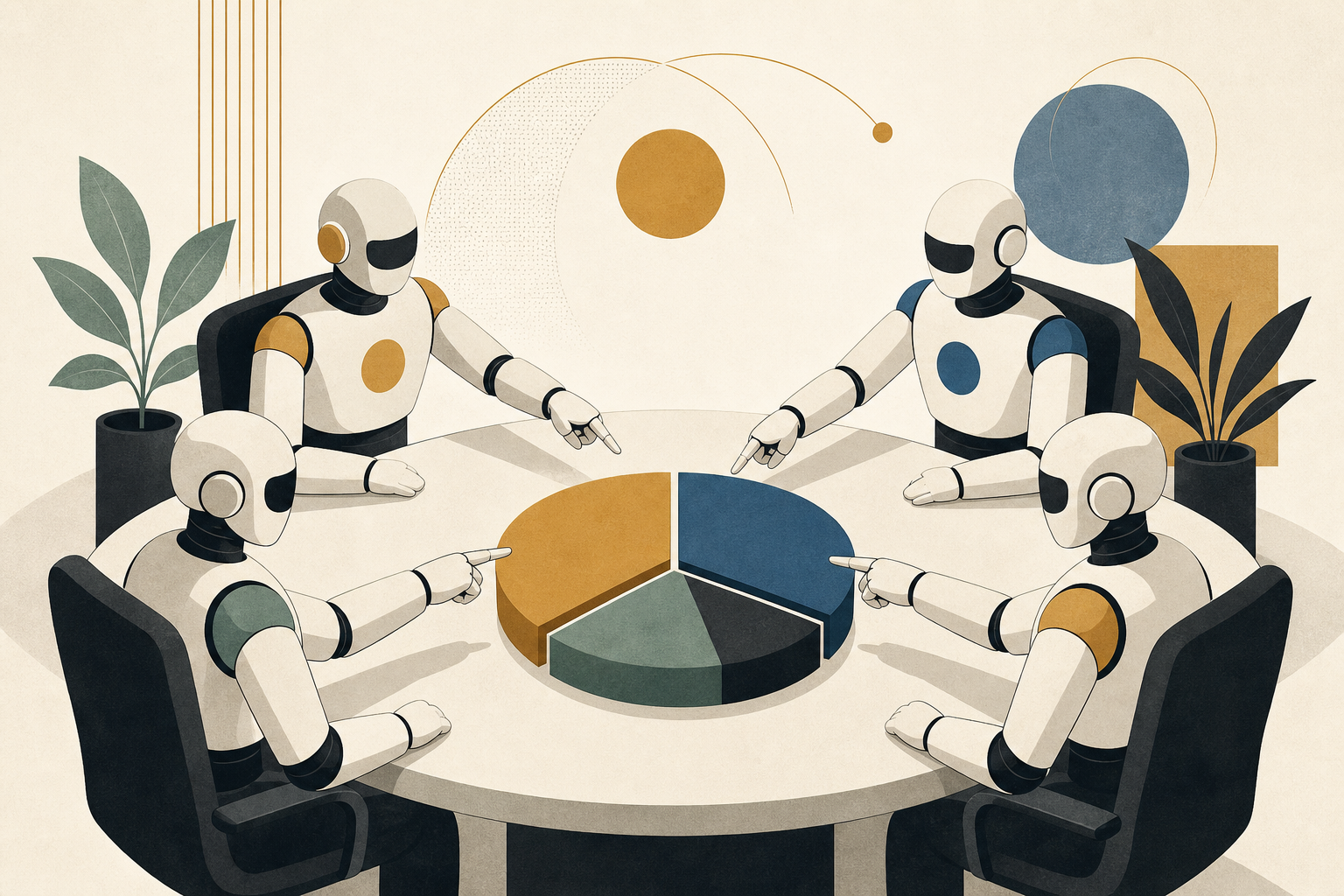
Can LLMs Be CEOs? What Multi-Role Agent Simulation Teaches Us About Strategic AI
A 2026 arXiv preprint builds a benchmark where CFO, CTO, COO, and CMO AI agents debate strategic resource reallocation — and finds that the integration layer diverges from the individual agents' advice and trends conservative. Here's what that means for management teams considering AI in strategic decision-making.

2026 / 06 / 18
When Your Enterprise AI Grows Too Large: Routing Degradation, Diagnosis, and Recovery
Scaling to 110 agents and 584 tools drops AI routing F1 scores by 16–23 points. A new framework isolates 'retrieval gaps' and 'confusion gaps,' then recovers 10–17 points with embedding pre-filtering — a quality assurance blueprint for IT and AI operations teams.

2026 / 06 / 18
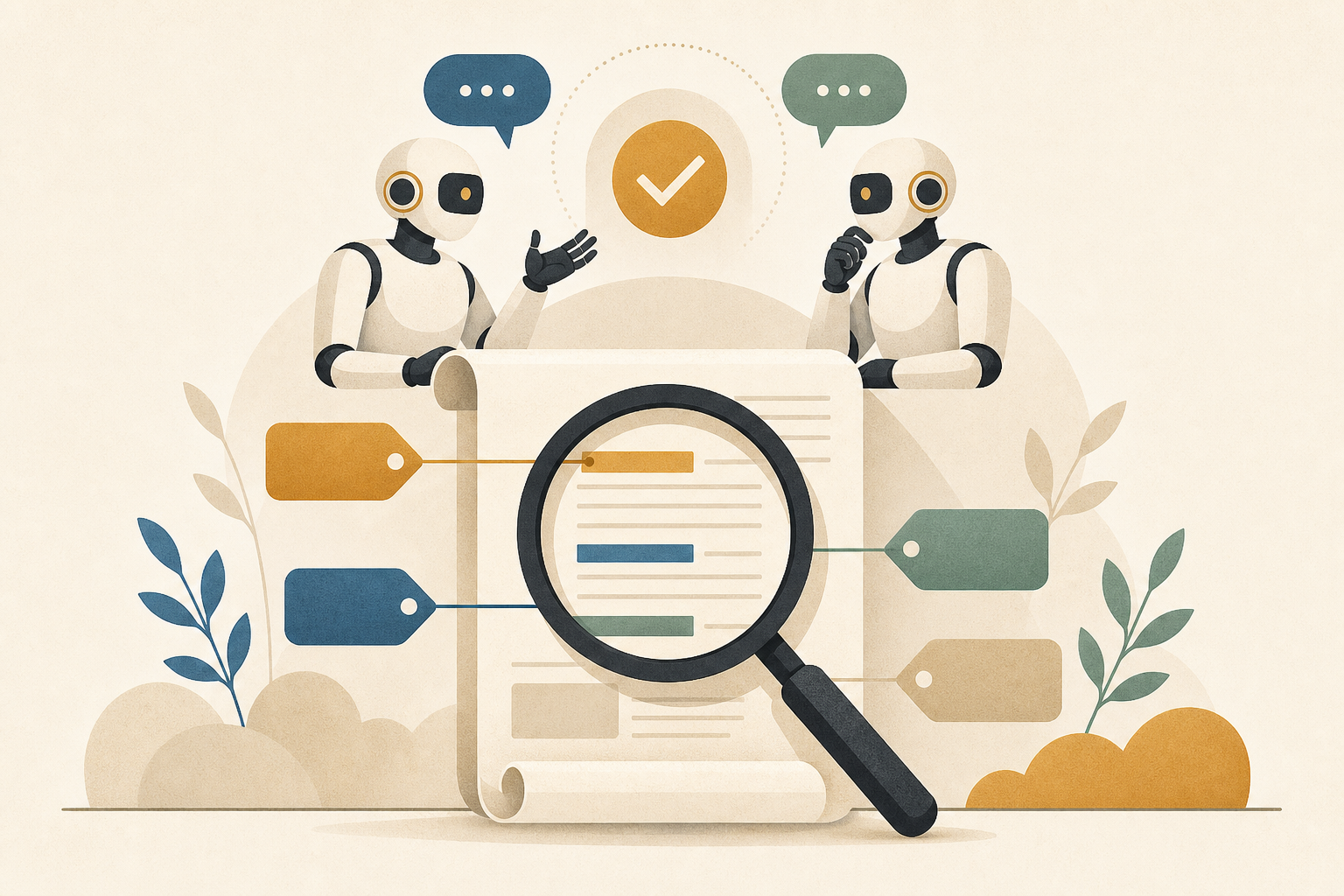
An AI That Gets Smarter Every Time You Use It ── What FinAcumen Means for Financial Analysis
FinAcumen pairs a vision-language model with a self-evolving experience memory that accumulates successes and failures — no retraining required. Here is what that means for securities analysts, IR teams, and asset managers thinking about practical implementation.
2026 / 06 / 18
Can You Trust Your Legal AI? A Four-Type Hallucination Audit and Two-Gate Deployment Framework
LegalHalluLens classifies legal AI hallucinations into four types — numerical, temporal, obligation/right, and factual — then uses a Reliability Decision Index and multi-agent debate to cut false positives by 45%. A concrete two-gate proposal for legal and compliance teams.

2026 / 06 / 18
Depression Hiding in Plain Conversation ── Can AI Read PHQ-9 from Dialogue Logs?
A new arXiv preprint shows that LLMs fine-tuned on AI mental health dialogue can estimate depression severity (PHQ-9) without asking users to fill out any questionnaire — achieving MAE 2.6, r=0.80, and AUC 0.91. Here's what those numbers mean, and what this means for affective AI.
2026 / 06 / 17
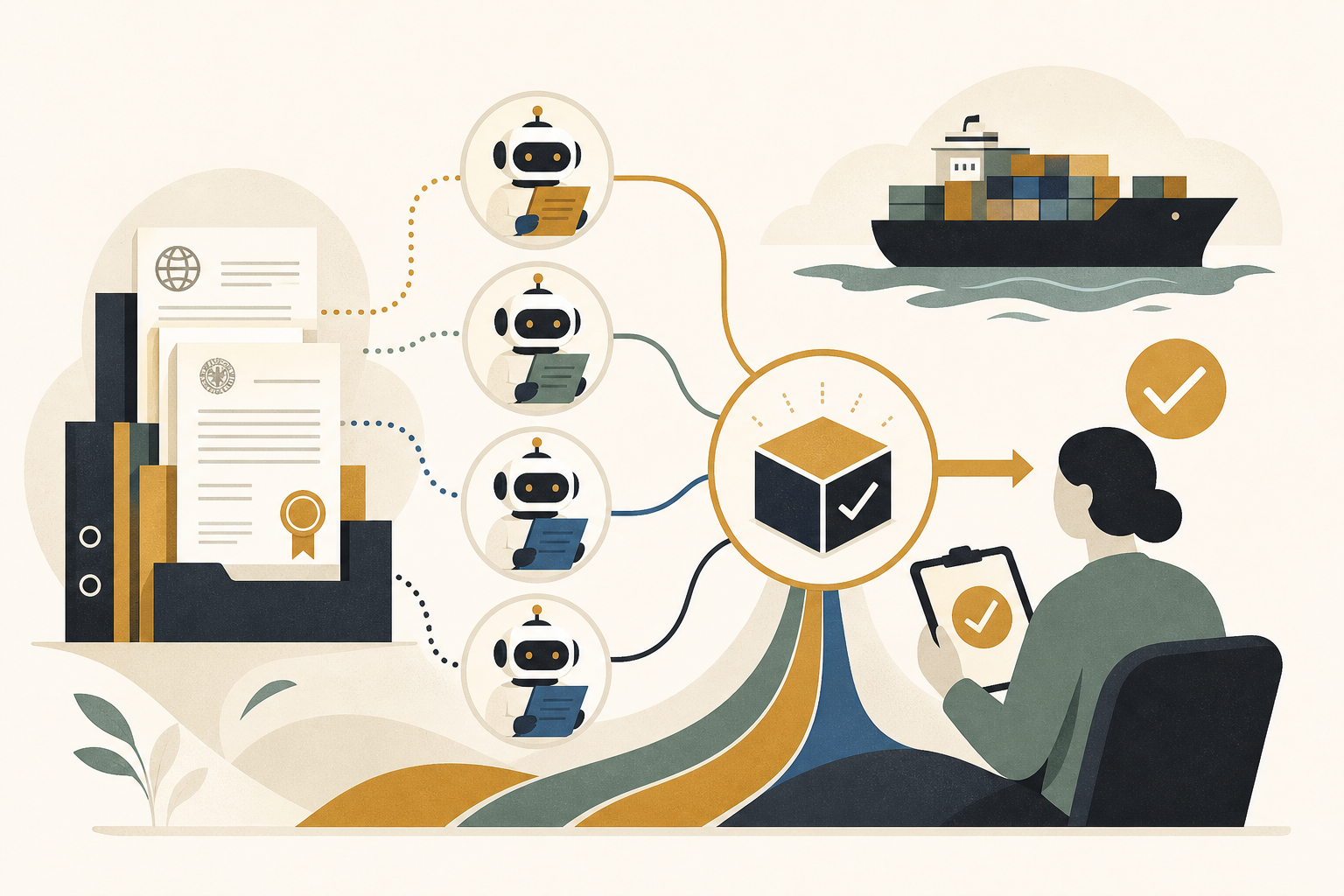
Can LLMs Handle Tariff Code Classification? A Practical Look at Trade Compliance Automation
Misclassifying an HS code can mean tariff surcharges, export control violations, or worse. A new multi-agent LLM framework tackles this problem with grounded reasoning, semantic search, and consensus verification — and the results suggest that human-in-the-loop hybrid beats full automation.

2026 / 06 / 17
When AI Designs the Emotional Arc: LLM Agents for Art Therapy Narratives
Sadness acknowledged, anger transformed, hope restored. Art therapy has always depended on the careful design of emotional journeys. EC-Script, a new research system, lets LLM agents generate those journeys with precision — controlling the emotional arc at three hierarchical levels.
2026 / 06 / 17
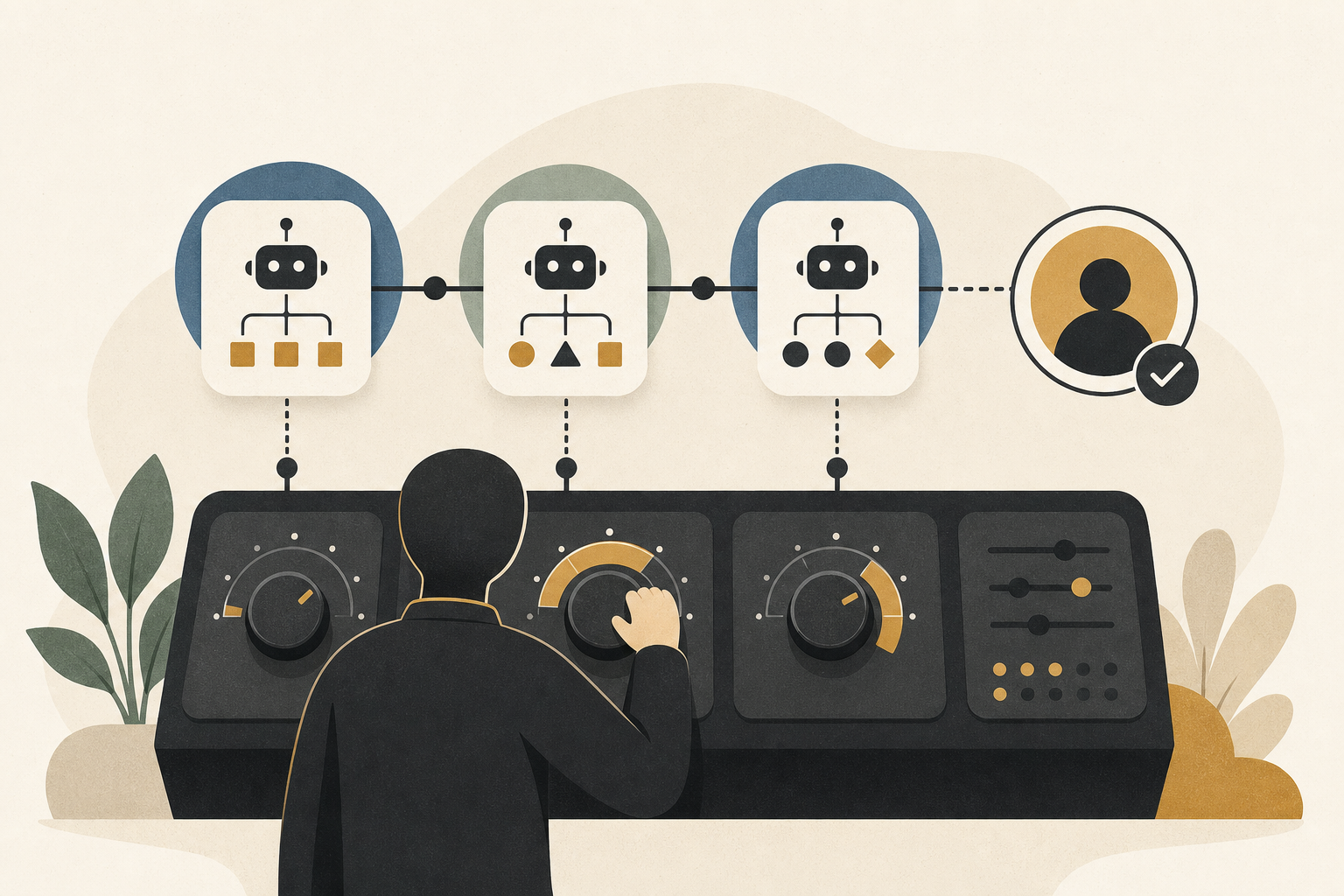
The Integrator Advantage: How Small and Medium-Sized Companies Can Win the Agentic AI Race
You don't need full autonomy to compete. Deploying partially autonomous AI agents for routine to moderately complex tasks may be enough for SMEs to gain a meaningful edge — and do it faster than large enterprises can. A six-axis framework published on arXiv shows how.

2026 / 06 / 17
Escaping 'The AI's Reasoning Is Unreadable' ── What CDSS Products Actually Need to Work Clinically
The reason black-box AI doesn't get adopted in clinical settings isn't accuracy — it's the inability to explain decisions. A framework called Medical Heuristic Learning uses LLMs to auto-generate Python-based clinical decision rules that physicians can actually read. Here's what that means for hospital administrators, medical device makers, and CDSS developers.
2026 / 06 / 17
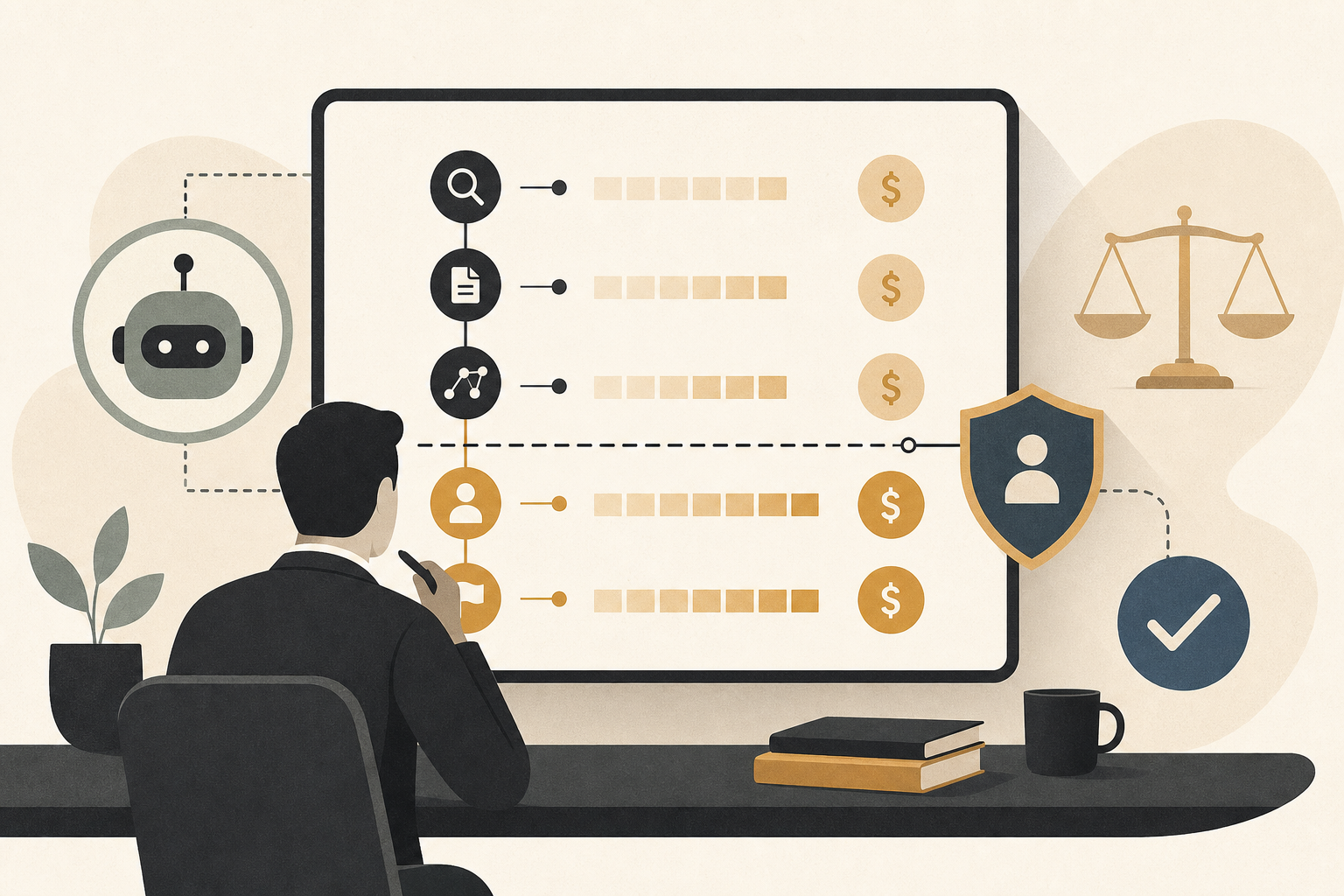
When Agent Automation Becomes Profitable: Putting a Dollar Figure on AI Risk
Moving AI agent deployment decisions from gut instinct to financial evidence. Trace-Economic Underwriting computes expected loss from tool-use logs — cutting pricing error from $17,700 to $569 MAE and reducing tail-risk exposure by 72%.
2026 / 06 / 16
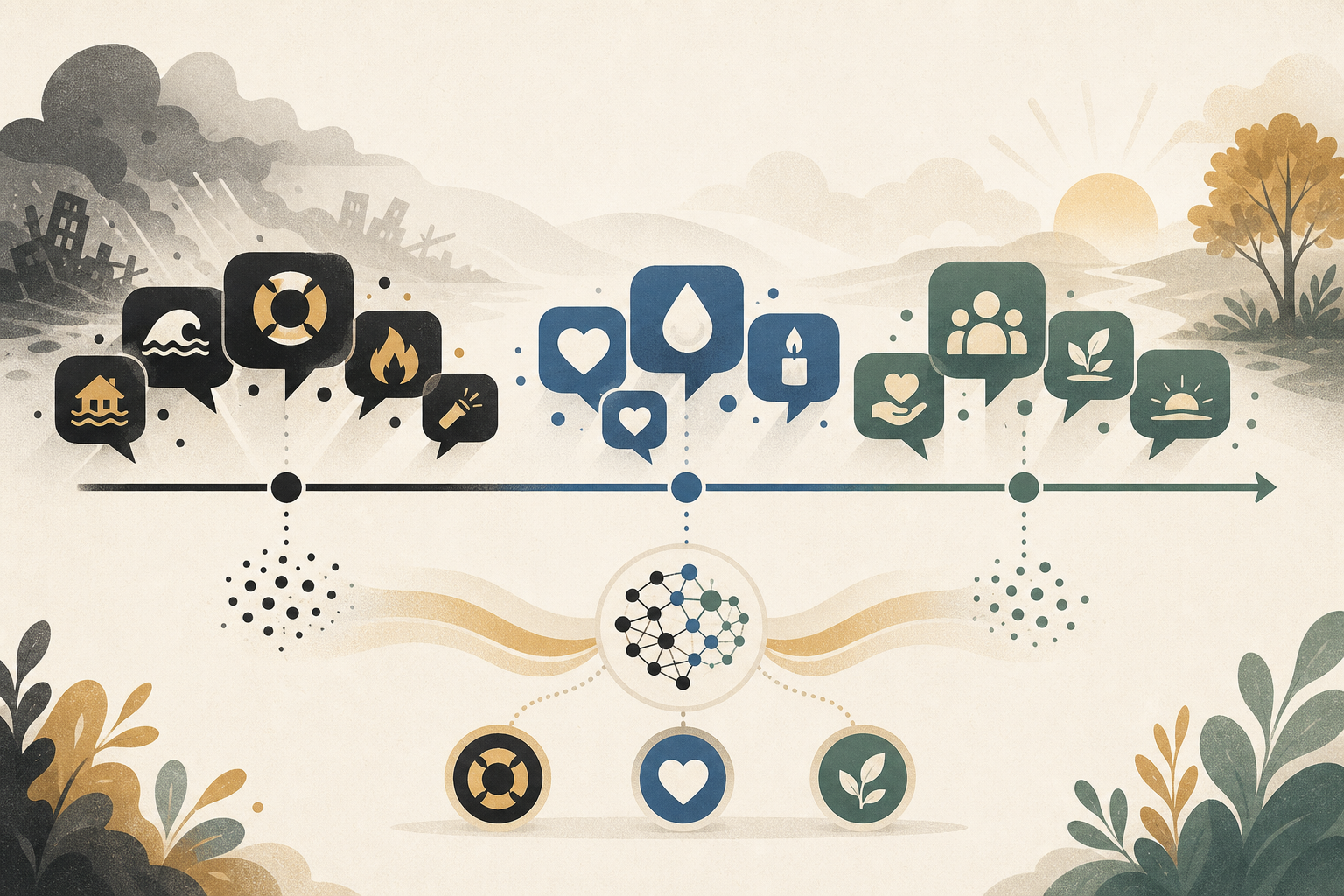
Crisis SNS Was an Emotional Map ── What 1M Tweets Taught Us About Anger
AI analysis of over one million tweets after the 2023 Turkiye earthquake revealed that people's coping styles shift systematically over time. Here's what crisis communicators in corporations and government need to know about the emotional timeline — and what it means for practice.