
Column
Research, in business language.
We rewrite Affectosphere Group's research into something useful for business and practical decision-making. Each piece is a 5-minute read.

2026 / 06 / 28
Add AI Agents Without Replacing Legacy Workflows: The Process Harness Approach
The number one barrier to AI agent adoption in regulated enterprises is the existing workflow infrastructure you cannot simply replace. A new study proposes a Process Harness — a policy-controlled agent layer that wraps around legacy workflow engines rather than replacing them. Demonstrated in a loan screening workflow on CUGA FLO, here is what it means for DX teams and IT departments in regulated industries.
2026 / 06 / 28
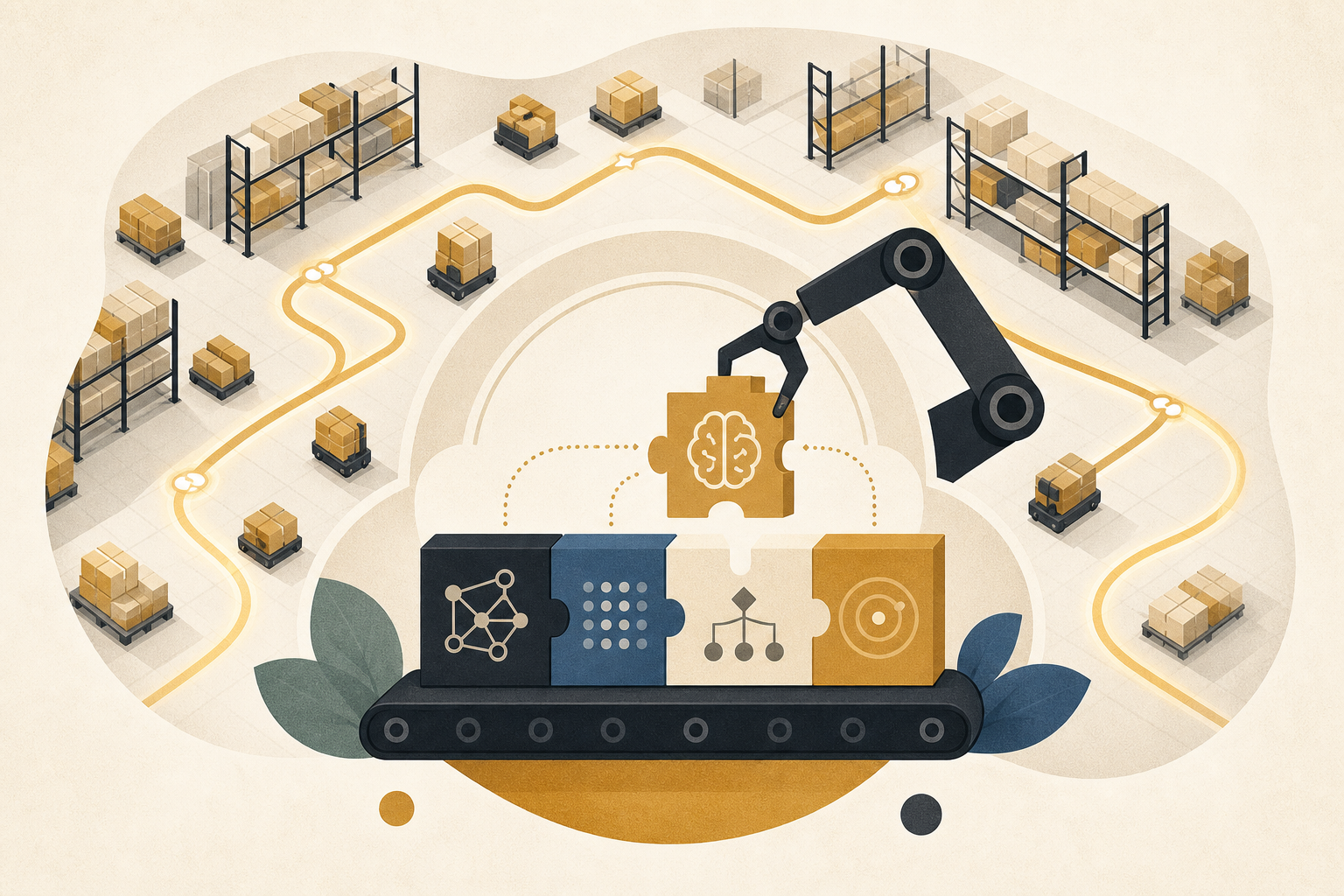
Automated Algorithm Selection for Warehouses: CASOP Synthesizes Over 1 Million Valid Optimization Pipelines
A new framework called CASOP automatically synthesizes optimization pipelines that jointly handle storage assignment, order batching, and picker routing in manual-pick warehouses. Tested across 7 benchmark sets generating over 1 million valid pipelines, it recommends the right algorithm combination based on each warehouse's characteristics.

2026 / 06 / 28
Empathy You Don't Notice — How AI Coaching Changed Behavior Without Being Recognized
A 6-week within-subjects experiment (N=13) on WhatsApp compared three chatbots with different empathy levels. Participants couldn't reliably detect empathy — yet the high-empathy version drove greater step increases and faster improvement in behavioral intention. A look at the 'invisible' peripheral-route effect of empathy in health AI.
2026 / 06 / 28
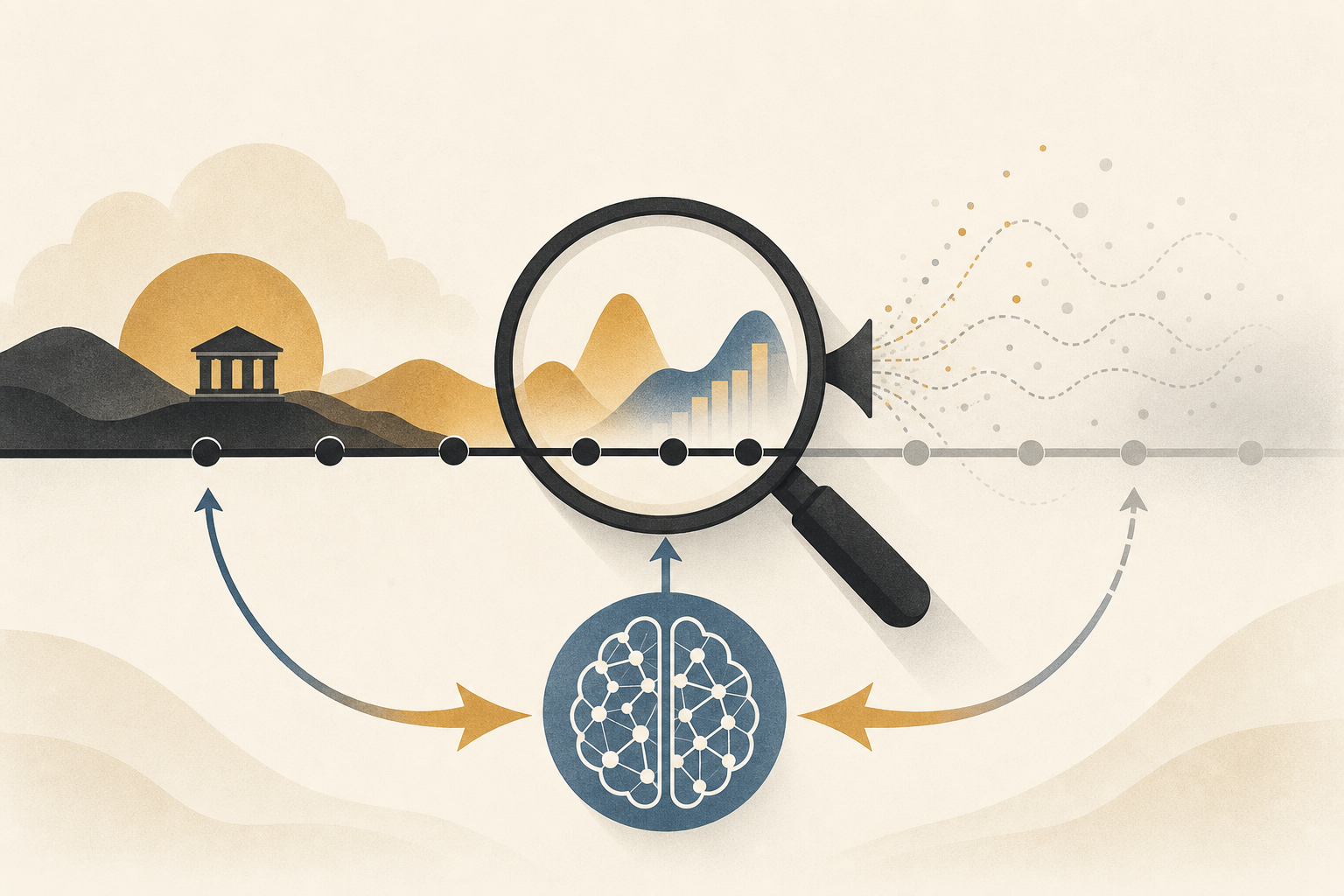
Fixing the LLM Forecasting Blind Spot: Feature Steering Kills Lookahead Bias
When LLMs are used for demand forecasting or sales planning, lookahead bias — where the model implicitly references future knowledge — causes dangerously optimistic predictions. A new study uses Sparse Autoencoders to identify time-awareness features inside the LLM, then applies Activation Steering to causally correct the bias. Here's what it means for SCM and corporate planning teams.

2026 / 06 / 28
Deutsche Bundesbank Uses LLMs to Review Prospectuses — What Financial Compliance Teams Can Learn from 91% Precision
A case study from Deutsche Bundesbank applies an LLM pipeline to securities collateral eligibility review. A three-stage architecture — extraction, normalization, interpretation — handles bilingual, OCR-noisy prospectuses and achieves up to 91% Precision at the document level. A concrete reference point for financial institutions building compliance AI.

2026 / 06 / 27
Where Does an LLM 'Store' Happiness? Emotion Vectors and What They Mean for AI Products
New research confirms that emotion vectors — geometric structures encoding emotional meaning — exist inside open-source LLMs, and that where they live depends on the model's architecture. This has real implications for AI quality assurance in emotion-sensitive services.

2026 / 06 / 27
Same Facts, Different Verdicts: AI Is Now Quantifying How Much Judges Shape Outcomes
A new study shows that judicial discretion — not just legal facts — significantly drives case outcomes in employment tribunals. Gated multi-task learning now makes that variance explainable, opening a door for legaltech to quantify 'judge bias' before litigation begins.

2026 / 06 / 27
Can How Older Adults Talk Reveal Early Signs of Dementia?
A new study proposes language-based digital twins — AI models that replicate an individual's conversational style — as a tool for non-invasive, continuous cognitive health monitoring. The implications for healthtech, eldercare, and insurance are significant.

2026 / 06 / 27
You Can Hear a Complaint Before It Gets Loud — LLMs and the Next Era of VOC Analysis
What if your customer support team could catch emerging complaints before they become a PR crisis? A June 2026 arXiv preprint shows how combining quantized LLMs with expert oversight can surface topics that NPS surveys miss entirely.
2026 / 06 / 27
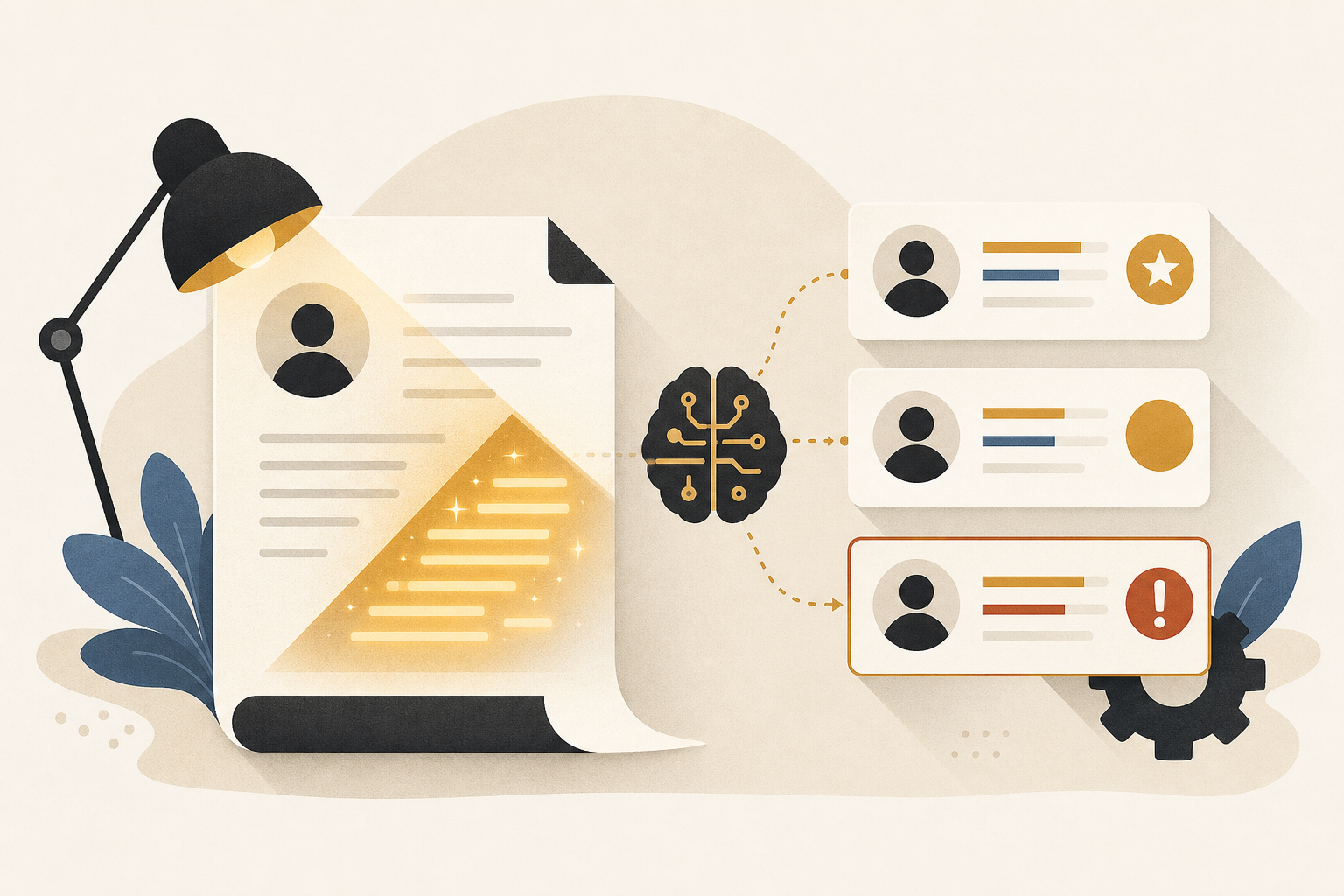
The Hidden Hack in Your Hiring Pipeline: Prompt Injection in LLM Resume Screening
A new study shows that applicants can manipulate LLM-based hiring systems by embedding covert instructions inside their resumes. Early adopters of AI screening are the most exposed — and structured data preprocessing is the first line of defense.
2026 / 06 / 26
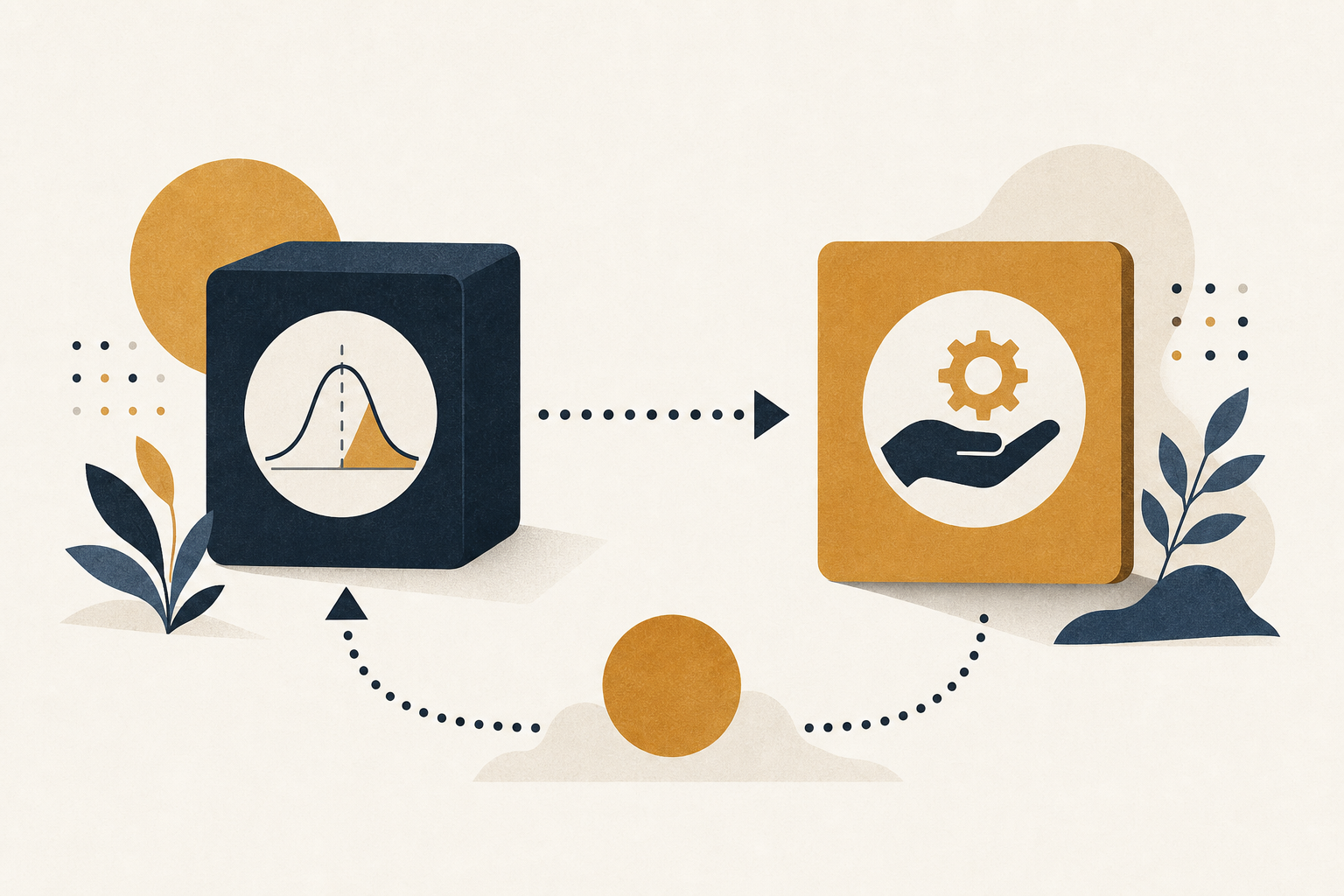
Why Higher Prediction Accuracy Doesn't Guarantee Better Business Outcomes
Attrition predictions at 95% accuracy won't reduce turnover if the intervention — the one-on-one meeting, the raise proposal — doesn't work. An arXiv position paper from 30+ researchers proposes an integrated framework that evaluates both predictions and interventions. Here's what it means for AI ROI.

2026 / 06 / 26
When AI Prescribes, Who Gets the Veto? Designing for Trust in Autonomous Clinical AI
As autonomous AI moves from recommending to deciding on prescriptions, how should clinicians retain meaningful authority? A framework that distinguishes types of uncertainty and triggers human escalation offers a path to trust and clear accountability.

2026 / 06 / 26
Can You Trust Your Investment AI's Score? A New Benchmark Catches Models That Break Down Mid-Reasoning
Overall accuracy alone isn't enough when using LLMs for financial advice. InvestPhilBench reveals models that score well but fail at the reasoning steps that matter most for fiduciary duty and explainability.
2026 / 06 / 26
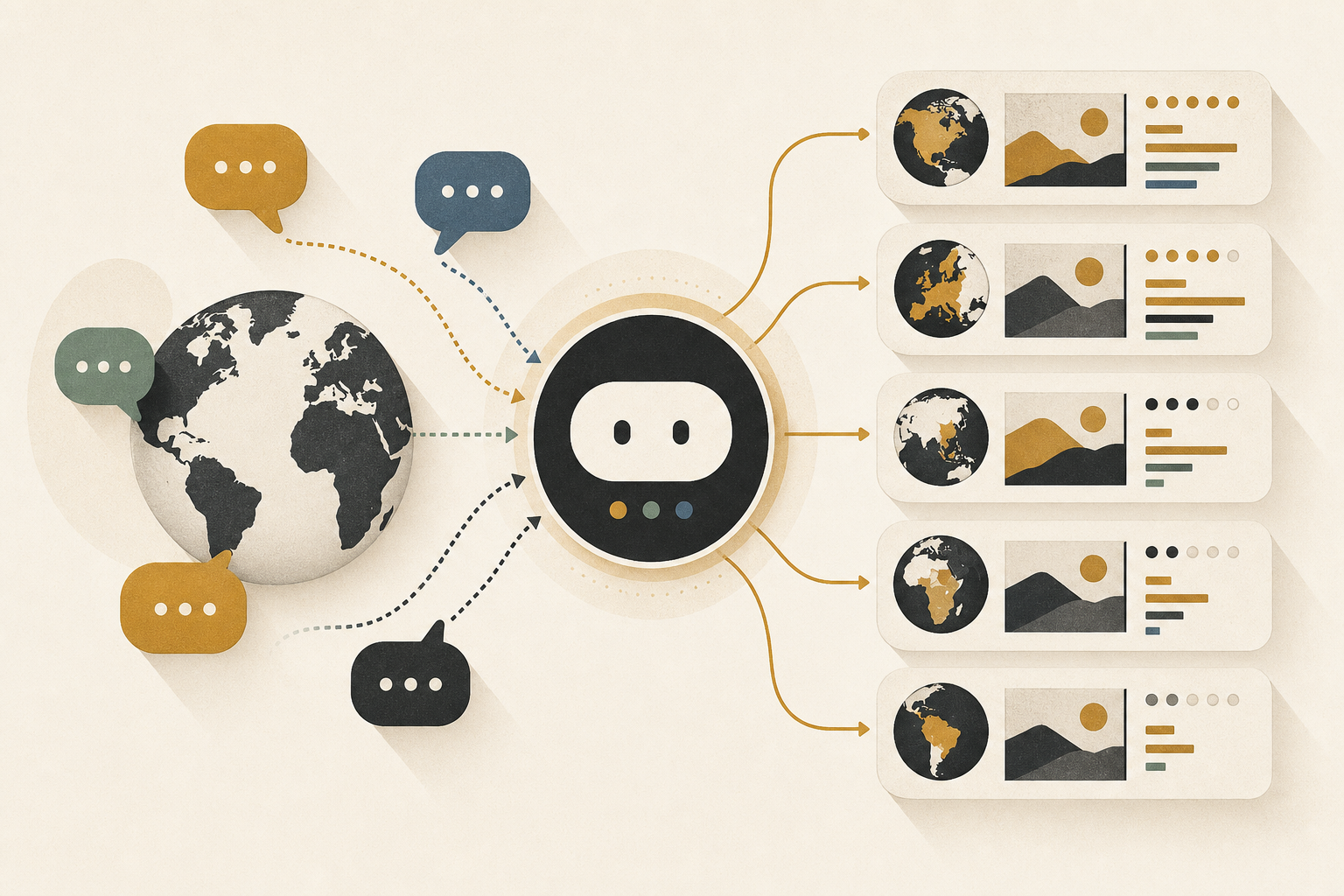
Where Does ChatGPT Get Its Brand Opinions? The Case for GEO Audits
As users shift from search engines to AI assistants, what LLMs say about your brand depends on what third-party sources they have seen. A new study shows this varies by language and market — and that proactive content management is the new reputation playbook.

2026 / 06 / 26
Does Your Voice AI Actually Understand Emotions? SpeechEQ Sets a New Benchmark for EQ in Speech Models
Voice AI is spreading fast into call centers and interview platforms — but has anyone actually measured its emotional intelligence by sub-scale? A June 2026 arXiv paper introduces SpeechEQ, a benchmark that diagnoses EIQ across specific emotional dimensions and points directly at what to fix.